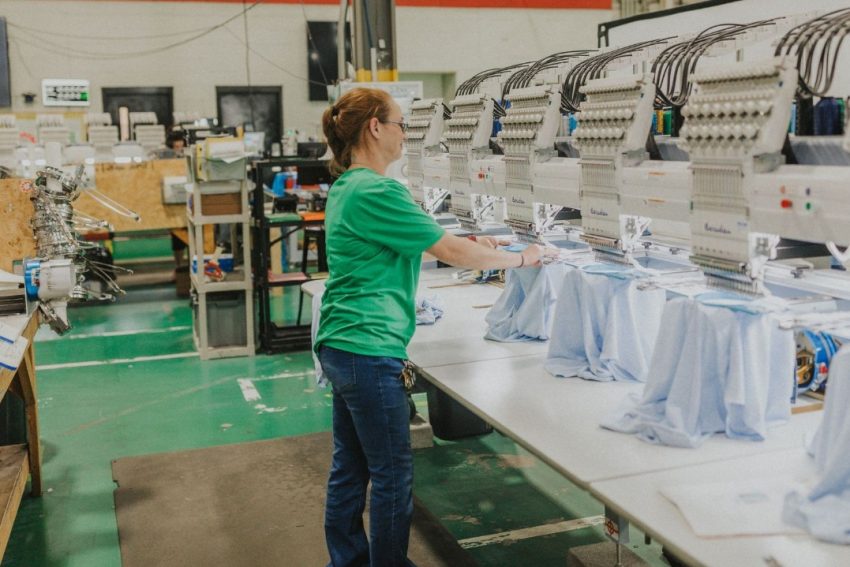
Embroidery looks great on a new hoodie. That’s the easy part.
What really matters is how it looks later — after the fabric breaks in, the hoodie gets worn a lot, and the logo has to live on something that’s actually used.
Carhartt makes a lot of hoodies, but some of them handle embroidery better than the rest. These are the ones we keep coming back to, the ones where the stitching settles in and the garment still feels right long after the first season.
At a Glance
| Hoodie | Style | Fabric weight | Best for embroidery | Things to watch for |
| Rain Defender Paxton Heavyweight Hoodie | Pullover | Heavyweight | Clean chest logos that age quietly | Warm for all-day indoor wear |
| Rain Defender Paxton Heavyweight Zip-Front Hoodie | Zip-up | Heavyweight | Names, smaller logos, and flexible layering | Zipper limits logo width |
Best Carhartt Hoodies for Custom Embroidery
Carhartt’s Paxton hoodies are built on a familiar formula: heavyweight fabric, reliable structure, and a fit people trust.
When embroidery is added, two versions consistently stand out. They share the same materials and construction, but they behave differently once logos and daily wear enter the picture.
1. Carhartt Rain Defender Paxton Heavyweight Hooded Sweatshirt (Pullover)
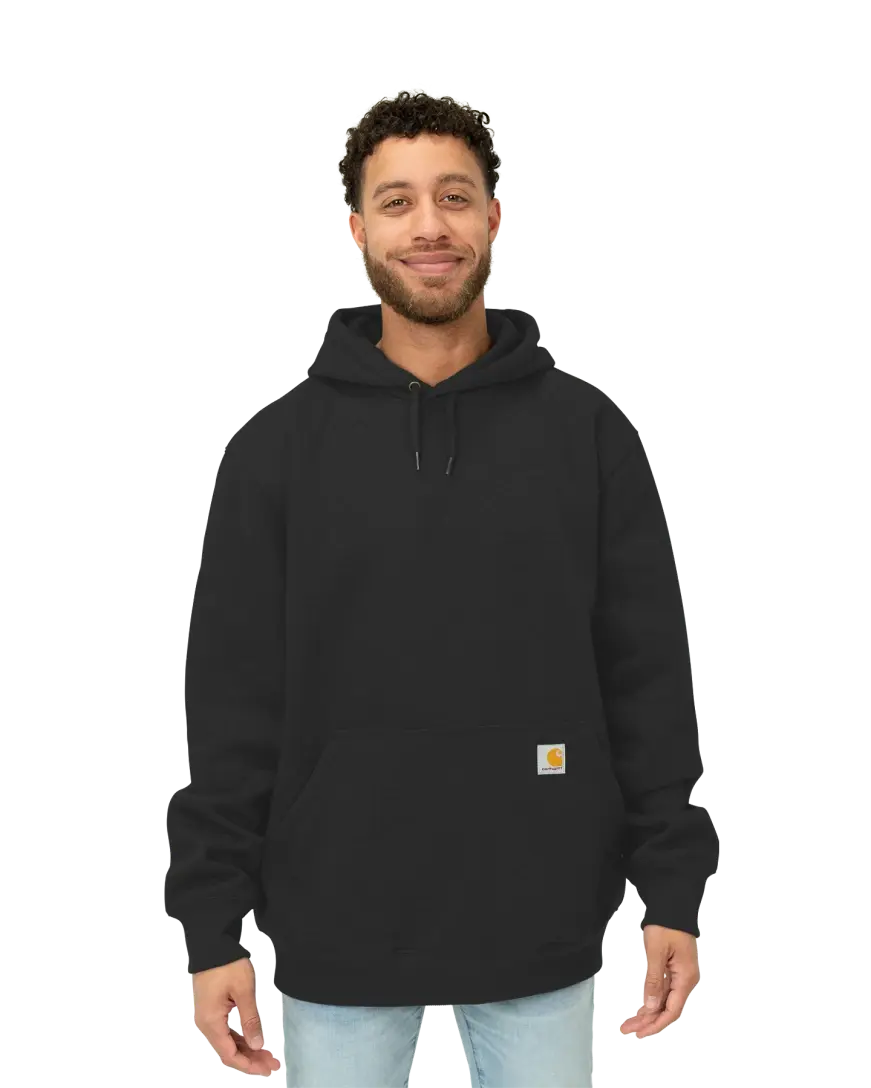
If we had to pick the safest Carhartt hoodie for embroidery, this is it.
The heavyweight cotton/poly blend of the Carhartt Rain Defender Paxton Heavyweight Hooded Sweater gives stitching a stable surface without feeling stiff. Embroidery sits cleanly on the chest and doesn’t sink or distort as the fabric softens. After repeated washes, the hoodie relaxes, but the logo doesn’t start feeling heavier or out of place.
The three-piece hood matters more than people expect. It helps the neckline keep its shape, which keeps the logo area looking intentional instead of slouchy over time. The front hand-warmer pocket also stays out of the way of left-chest embroidery, which keeps placement simple.
This is the hoodie that keeps looking good long after day 1, regardless of what you throw at it.
Pros
- Heavyweight fabric supports embroidery well
- Clean, predictable left-chest placement
- Holds shape after repeated wear and washing
- Rain Defender finish adds durability
Cons
- Warm for indoor or mild climates
- Bulkier than casual hoodies
- Not ideal for high-movement, high-output work
2. Carhartt Rain Defender Paxton Heavyweight Hooded Zip-Front Sweatshirt
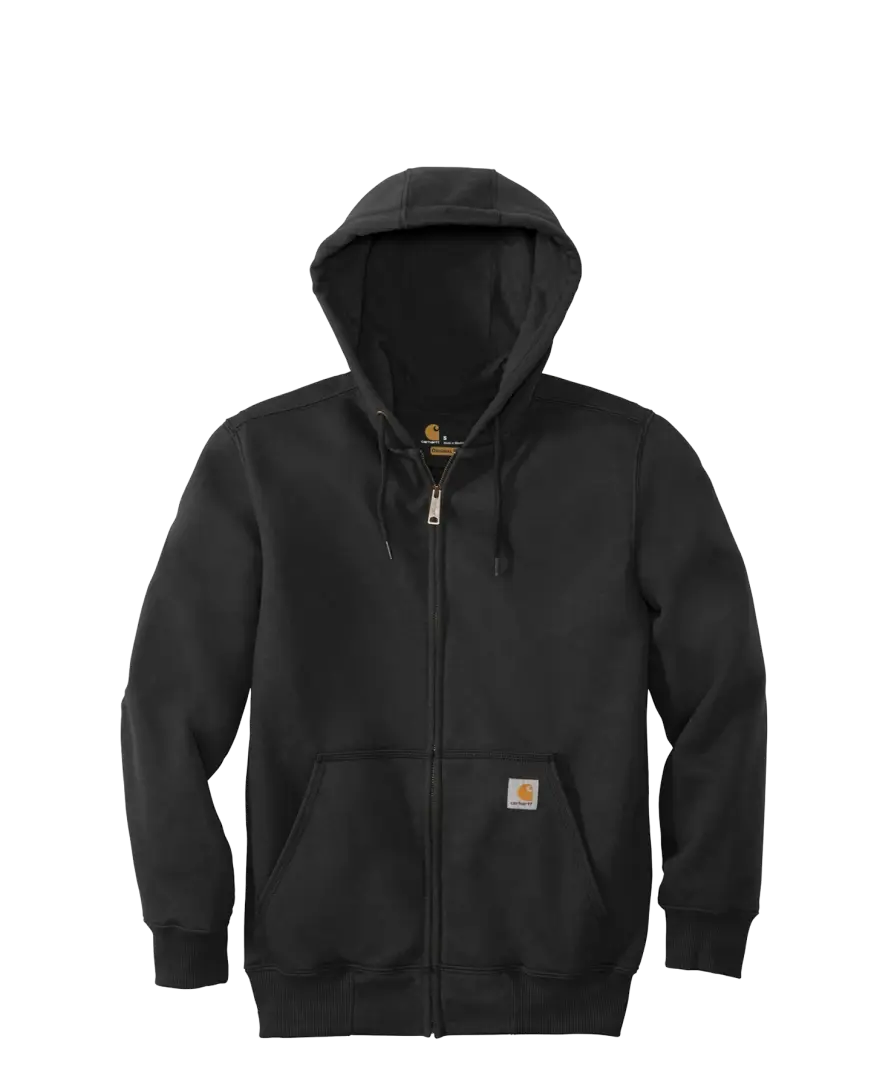
The Carhartt Rain Defender Paxton Heavyweight Hooded Zip-Front Sweatshirt shares the same DNA as the pullover, but the zipper changes how embroidery needs to be handled.
The fabric still carries stitching well, and the hoodie holds its structure as it breaks in. Where teams need to slow down is placement: The zipper creates a hard vertical line that the logo has to respect, so oversized designs feel crowded faster here.
Where this hoodie shines is in its flexibility. Crews layer with it, wear it open, or zip it halfway, making it a favorite for mixed environments where temperatures change throughout the day. It’s also a strong option for names or smaller logos, which sit comfortably without fighting the zipper.
The embroidery still ages well; it just asks for more restraint up front.
Pros
- Same embroidery-friendly fabric as the pullover
- Easier to layer throughout the day
- Great for names and smaller logos
- Consistent fit across sizes
Cons
- Zipper limits logo width
- Centered designs rarely work well
- Slightly busier front visually
Why These Carhartt Hoodies Age Well
What makes these hoodies work isn’t just weight — it’s consistency.
The fabric softens evenly instead of thinning in spots. The cuffs and waistband hold their shape long enough to keep the garment balanced. The hood doesn’t collapse or twist as the hoodie breaks in.
All of that matters because embroidery doesn’t change the way fabric does.
When hoodies fail with embroidery, it’s usually because the garment evolves and the stitching doesn’t. The logo stays firm while the hoodie loosens around it, and suddenly it feels heavier than it should.
But these Paxton styles keep that gap small. They’re built with enough structure that the embroidery can settle in rather than sit on top. Over time, the logo stops announcing itself and starts feeling like part of the garment.
That’s what aging well actually looks like.
Pullovers vs. Zip-Ups for Embroidery
Pullover and zip-up hoodies are often built from similar materials, but they behave very differently once embroidery enters the picture.
Pullovers give the logo a calm place to live. There’s a single, uninterrupted front panel, which means the embroidery can sit centered and balanced without competing with hardware. Over time, as the fabric softens, the stitching tends to settle in instead of standing apart. This is why pullover hoodies usually age more gracefully when the logo is the main visual element.
Zip-ups introduce friction, literally and visually. The zipper splits the garment, which means embroidery has to work harder to feel intentional. Left-chest placement becomes the default for a reason. It avoids the zipper line and keeps the logo from feeling chopped in half when the hoodie is worn open. When teams try to force a large centered design onto a zip-up, it almost always feels awkward six months in.
Wear patterns matter here, too. Zip-ups are rarely worn the same way all day. They’re unzipped, half-zipped, layered, and shrugged on and off. A logo that looks fine when fully zipped can disappear or warp visually once the hoodie starts moving the way people actually wear it.
Pullovers are more forgiving, while zip-ups are more practical. Knowing which one you’re ordering changes how confident you can be with the logo.
FAQs
Question: Which Carhartt hoodie is best for custom embroidery?
The Rain Defender Paxton Heavyweight Pullover is the most consistent option. Its structure, fabric weight, and clean chest area make it especially reliable for embroidery that needs to last.
Question: Is embroidery better than screen printing on Carhartt hoodies?
Answer: For heavyweight Carhartt hoodies, embroidery usually ages better than screen printing. It feels more natural on thick fabric and doesn’t change the breathability or hand feel as much over time.
Question: Can Carhartt zip-up hoodies be embroidered?
Answer: Yes, but placement matters more. Left chest embroidery works best, and designs need to avoid the zipper line to keep the logo from feeling crowded.
Question: Do embroidered hoodies shrink or distort over time?
Answer: The hoodie fabric may soften slightly, but well-placed embroidery on heavyweight Carhartt hoodies typically stays stable. Problems usually come from oversized or overly dense stitching.
Question: Are Carhartt hoodies too heavy for everyday wear?
Answer: They can feel warm indoors, especially the heavyweight styles. Crews that move between indoor and outdoor work often prefer zip-front options for flexibility.
Why These Are the Ones We Keep Recommending
The Paxton pullover and zip-front hoodies hold their shape, carry stitching cleanly, and still feel balanced once they’re broken in. That’s why they get worn and reordered.
Pick the Paxton Pullover if:
- You want the cleanest, least fussy embroidery outcome
- The logo needs to sit centered and balanced over time
- The hoodie will be worn as a main outer layer
- You want fewer conversations about placement and scale
Pick the Paxton Zip-Front if:
- Your team layers throughout the day
- Names or smaller logos matter more than big branding
- The hoodie will often be worn open or half-zipped
- Flexibility matters more than having a single focal logo
If you want Carhartt hoodies that look good now and still feel right later, these are the two we’d stick with.