When you’re choosing the right shirt for your wardrobe or for custom branding, the fabric matters more than most people realize.
Cotton and polyester are two of the most common materials in shirts today, each with their own strengths and trade‑offs in terms of comfort, longevity, breathability, and performance. Understanding those differences makes it easier to pick the right shirt for your needs.
So let’s break down what cotton and polyester feel and perform like, how they fare in everyday wear and workouts, and which fabrics work best for custom designs. We’ll also offer some of our favorite brands that we’d recommend for branded apparel.
Cotton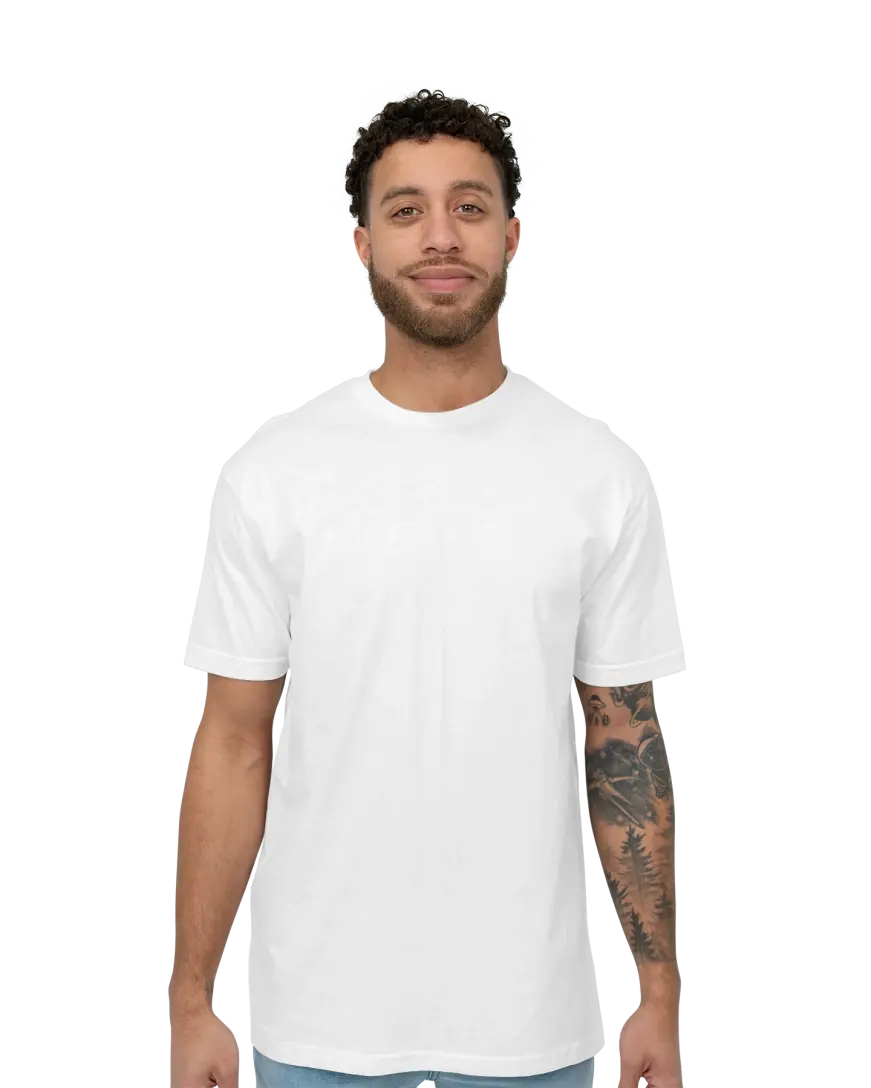
Cotton is a natural fiber that’s been used in apparel for millennia because it’s soft, breathable, and comfortable against the skin.
For everyday wear like casual outings, running errands, or lounging, cotton shirts often win simply because they feel natural and unobtrusive. That familiar soft feel is why 100% cotton tees remain a staple in wardrobes around the world.
For example, the 64000 Gildan SoftStyle Tee and the 5000 Gildan Heavy Cotton T-Shirt are both classic, 100% cotton tees with pre‑shrunk yarn and sturdy stitching. The feel is soft but substantial, and the shirts hold up wash after wash.
Pros:
- Soft and comfortable: Feels gentle against the skin and easy to wear all day
- Excellent breathability: Lets air flow through the fabric, keeping you cooler in warm weather
- Moisture-absorbent: Soaks up sweat and helps prevent it from dripping down your body
Cons:
- Prone to wrinkling: Needs ironing or careful folding to stay smooth
- Can shrink: Shrinks very easily, especially if not pre-shrunk (which can still shrink) or washed in hot water
- Slower drying: Absorbs moisture but doesn’t wick it away, so heavy sweating can leave the shirt feeling wet
Polyester
Polyester is a synthetic fiber made from polymers. It was developed to be strong, lightweight, and resistant to many of the flaws that come with natural fibers like cotton. If you’ve ever worn a shirt that felt almost slick to the touch, it was probably made of polyester.
Polyester shirts are tough on wrinkles, and shrinking is non-existent. They dry quickly and hold their shape even after lots of use. For activewear or situations where you want less fuss with care and maintenance, polyester has clear advantages.
That’s why you’ll find polyester most often in performance shirts and blends, but you’ll also see it blended with cotton to improve durability and stretch.
Pros:
- Durable and long-lasting: Resists stretching, shrinking, and pilling, so your shirt keeps its shape even after many washes
- Moisture-wicking: Moves sweat to the surface of the fabric and dries quickly, keeping you feeling dry during workouts or hot days
- Wrinkle-resistant: Holds its shape and looks neat without constant ironing
- Lightweight and smooth: Feels sleek on the skin and is easy to layer under jackets or hoodies
- Color retention: Holds dyes well, so prints tend to stay vibrant longer than cotton
Cons:
- Slightly synthetic feel: Can be less soft than cotton, especially in pure forms
- Odor retention: Traps sweat odors if not washed promptly
- Printing limitations: Not a great fit for direct-to-garment (DTG) printing; direct-to-fabric (DTF) printing is often required and usually looks great
Polyester vs. Cotton: At a Glance
| Feature | Cotton | Polyester | Blends |
| Comfort | Excellent | Good | Very good |
| Durability | Moderate | Excellent | Very good |
| Print compatibility | Excellent | Good with DTF | Excellent |
Comfort
Cotton’s breathability means air moves freely through the shirt, making it comfortable for everyday wear, casual use, and keeping cool on summer days or in low‑intensity conditions. The downside is that cotton does not pull sweat away quickly, so the shirt can feel wet long after you start sweating.
Polyester, by comparison, does not absorb moisture the same way. Instead of soaking up sweat, it moves moisture across the surface and sheds it faster, making polyester or polyester blends feel drier against the skin during intense movement. Polyester shirts engineered for performance often include tiny holes or special knit patterns that increase airflow without sacrificing strength, which is why you’ll commonly see this material in athletic apparel.
Polyester can also feel slightly less soft at first touch than cotton, but modern finishes make many polyester shirts feel smooth and comfortable.
Durability
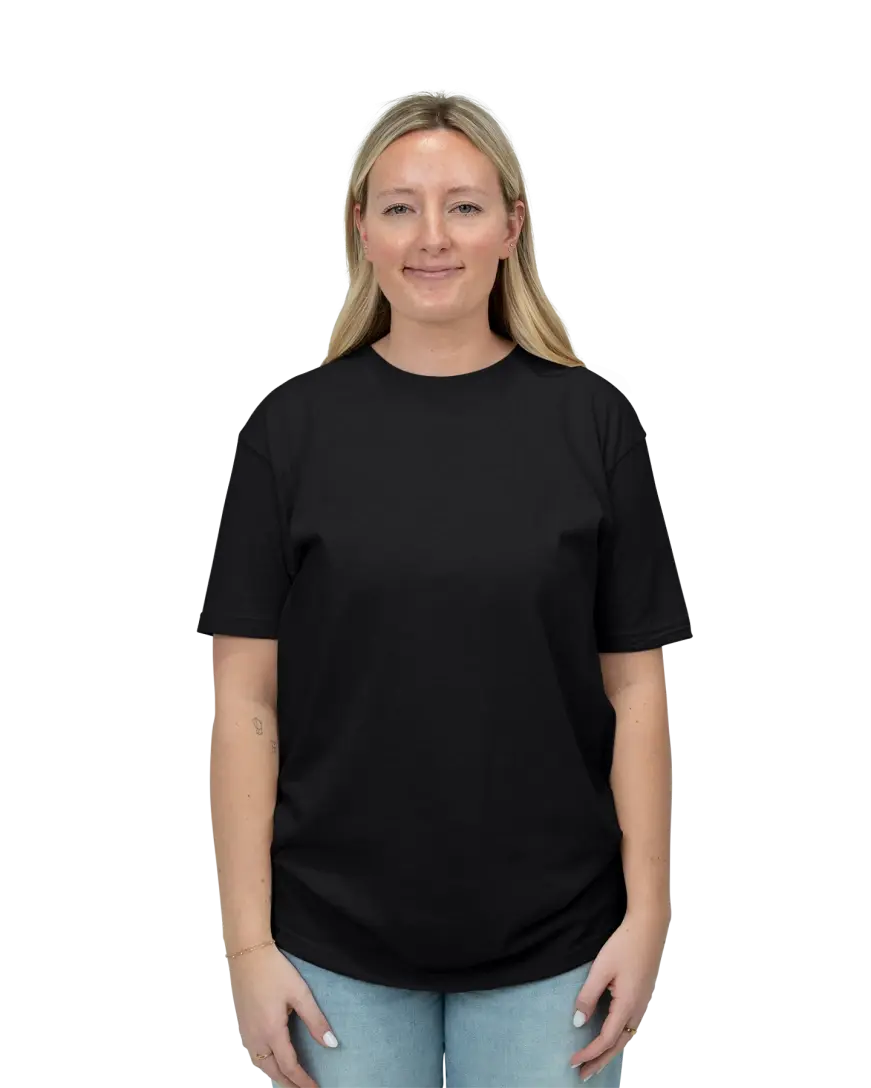
When it comes to durability, polyester tends to last longer than cotton. That’s because polyester fibers are strong, resistant to stretching, and hold their shape even after many washes. Cotton shirts can develop signs of wear sooner and lose some of their shape more easily.
Blends that include polyester can balance softness and toughness; a cotton‑poly blend shirt typically lasts longer than 100% cotton without feeling too synthetic.
The NL6210 Next Level Unisex CVC Crew Tee is a good example of a popular blend. It uses a 60/40 cotton‑poly ratio that keeps the shirt soft but gives it extra durability and fewer wrinkles than pure cotton.
Print Compatibility
If you’re wanting to customize your shirt, the material you choose affects how your graphics will look and last.
Cotton shirts accept screen printing, DTF, and DTG printing very well. The fibers hold ink nicely and produce vibrant, crisp results. For detailed artwork or multiple colors, this makes for a reliable canvas.
Polyester shirts and blends require slightly different printing techniques. Traditional screen printing still works great as long as you account for dye migration (where the dye of the shirt bleeds into the design), but DTF printing is becoming increasingly popular. DTF is especially useful for full‑color designs that include gradients or photo‑style images.
For printing best suited to cotton, a pure cotton tee like the 3001 Bella + Canvas Unisex Jersey Tee, which offers a smooth, absorbent surface that makes your designs pop.
If you want a shirt that gives both softness and a slightly more durable print surface, the 3413 Bella + Canvas Tri‑Blend Tee blends cotton with polyester and rayon to balance feel and printability. Its tri‑blend fabric is incredibly soft to touch and gives shirts a draped fit that still holds detailed screen prints well.
The Best Materials by Use Case
Everyday Wear
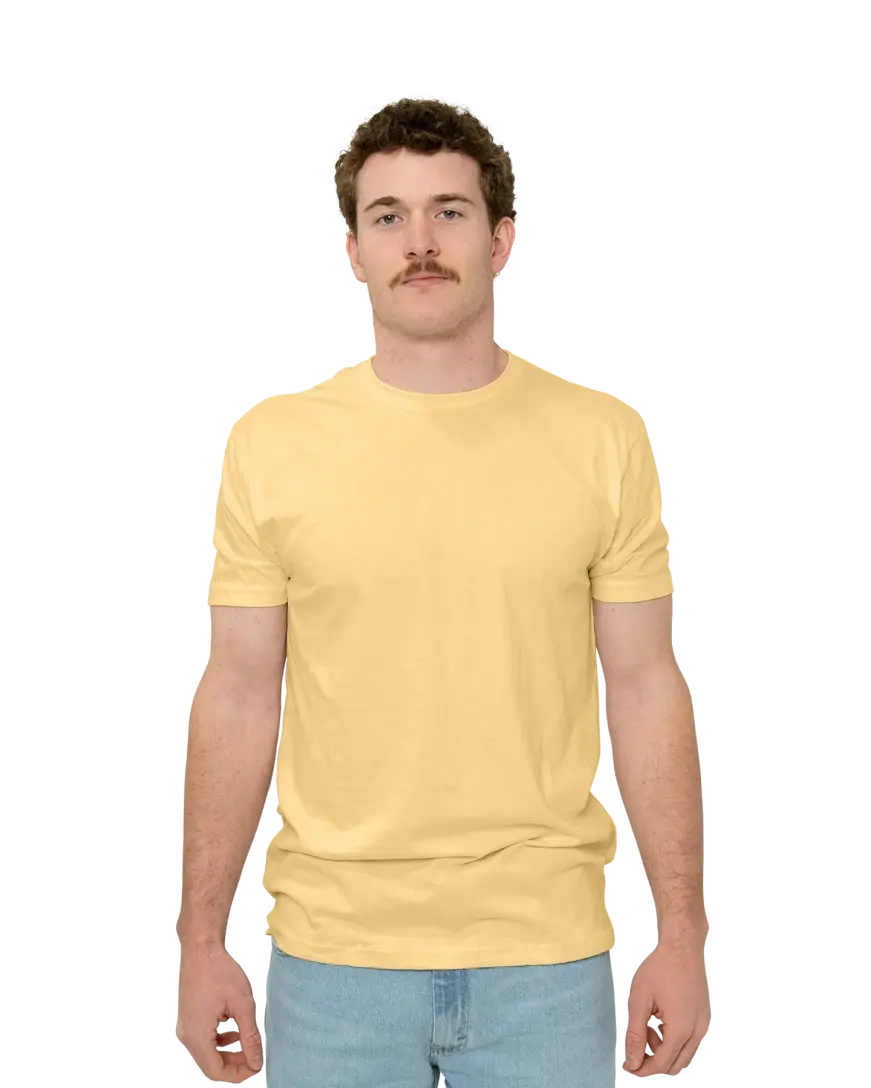
For everyday wear, comfort usually matters most. Cotton shirts win out here; they’re light enough that you barely notice them, and they’re soft enough to be downright pleasurable to wear. Their breathability also makes them suitable for most casual settings.
A classic everyday cotton tee like the 3600 Next Level Premium Fitted Short Sleeve Crew Tee is a good starting point for daily outfits or casual events. Its substantial cotton knit feels comfortable on its own or layered under a jacket.
Cotton’s natural look also pairs well with a variety of outfit styles, from simple jeans and sneakers to shorts or skirts. If your priority is comfort and a timeless look, cotton is a safe choice.
Workouts and Active Wear
For workouts and active wear, polyester or polyester blends typically have the edge. Polyester wicks moisture faster, dries quickly, and resists the cling that cotton can have when soaked with sweat.
So if durability and sweat management matter more than pure softness, polyester or a cotton‑poly blend is worth choosing.
Printing
Cotton and polyester (and blends) are excellent choices if you want a shirt that’s comfortable, durable, and prints well. Cotton on its own is soft and breathable, but it can also wrinkle and absorb moisture very easily. Polyester is durable and quick‑drying but can sometimes feel less natural.
Combining the two balances these traits.
Cotton‑poly blends like the NL6210 Next Level Unisex CVC Crew Tee and the 8000 Gildan DryBlend 50/50 Tee give you softness plus resilience. The cotton keeps the shirts comfortable all day, while the polyester helps them keep their shape and resist wrinkles.
Blends also tend to take screen printing nicely. Placing a bold logo or detailed design on a CVC tee gives you color fidelity with less cracking or fading through wash cycles.
Choosing Polyester vs. Cotton Shirts
Here’s the TL;DR if you’re still not sure which to pick:
- If comfort is your top priority: Choose 100% cotton. It feels soft, natural, and breathable. Great for everyday tees and casual wear.
- If performance and moisture control matters: Go for polyester or high polyester blends. These dry quickly, resist sweat clinging, and hold up through workouts.
- If you want a balance of comfort, durability, and print quality: Choose a cotton‑poly blend or a tri‑blend. These give you the best of both worlds.
Choosing the right shirt material is one of those decisions that feels subtle until you notice the difference. With the right information, you can make choices that match your goals and feel great in every wear.