
Choosing the right shirt or sweatshirt material matters more than most people realize. A great fabric doesn’t just feel better against the skin; it affects how long the garment lasts, how it wears day after day, and how versatile it is across seasons and lifestyles.
And if you’re getting custom apparel, it can affect how printing looks and feels — and how long it will keep looking great.
So today, we’re breaking down the most common materials used in T-shirts and sweatshirts, explaining their strengths and trade-offs, and suggesting specific products you can order today.
What Your Shirt’s Materials Determine
Softness
Softer fabrics such as ring-spun cotton or cotton-rich blends are generally more comfortable for all-day wear and tend to be preferred for retail and lifestyle apparel. However, extra softness often comes from finer fibers, which can sometimes be less resistant to abrasion and long-term wear than heavier fabrics.
Durability
A durable fabric resists pilling, tearing, and shape loss over time; it stands up to repeated wear and frequent washing without becoming thin or misshapen. Durability is especially important for workwear, promotional apparel, and garments that will be worn in active or outdoor environments.
Warmth
The thickness of the fabric and the type of knit both influence how much heat the garment retains while still allowing some breathability. Heavier fabrics or brushed knits trap more air, making them warmer and better suited for cooler temperatures.
Print Performance
Printing quality depends heavily on the surface and fiber content of the fabric. Natural fibers like cotton absorb ink well for screen printing and DTG (direct-to-garment), resulting in sharp details and consistent color coverage. Synthetic fibers may require different techniques but can produce vivid, long-lasting results with methods such as sublimation or DTF (direct to film), especially for full-color or high-detail designs.
Sustainability
Finally, fabric choice also has an environmental impact. Natural fibers like cotton are biodegradable and breathable, but conventional cotton farming can require large amounts of water and pesticides. Organic cotton reduces these impacts, while recycled polyester offers an eco-friendly alternative to synthetic fabrics. Choosing durable fabrics that hold up over time also supports sustainability by keeping garments in use longer and reducing waste.
The Most Common Shirt Materials: At a Glance
| Material | Softness | Durability | Warmth | Print Performance |
| 100% Cotton | High | High | Medium | Excellent |
| Cotton/Poly Blend | Medium-High | High | Medium | Very Good |
| Polyester – Performance Fabric | Medium | Medium | Low-Medium | Best for specific methods |
| Polyester – Fleece | High | High | High | Good |
| Tri-Blend | Very High | Very High | Medium | Very Good |
100% Cotton
Cotton is the classic, go-to material for tees and everyday wear. It’s a natural fiber that’s breathable, soft, and comfortable against the skin, making it ideal for all-day use. Fabrics that are ring-spun or combed feel even smoother and have a more premium touch.
Cotton also holds ink exceptionally well, which makes it a favorite for screen printing, DTG, and most other custom print methods, ensuring sharp, vibrant designs that last.
Pros:
- Soft and breathable: Natural fiber feels gentle on skin, ideal for daily wear and sensitive skin.
- Great print surface: Ink absorption is consistent, letting colors pop and edges stay crisp.
- Biodegradable and sustainable options: Compared with synthetics, cotton is more eco-friendly in end-of-life scenarios.
Cons:
- Can shrink and wrinkle: Cotton tends to shrink slightly with heat and can wrinkle more than blends.
- Durability varies: Regular cotton is not as strong as poly blends and may show wear at seams faster.
- Lower breathability: Heavier cotton feels warmer but can be less breathable in high humidity.
Where You’d Use 100% Cotton
100% cotton is ideal for classic tees, casual shirts, branded apparel, event merchandise, and everyday wear. It works best for printing methods like screen printing or DTG where crisp, vibrant designs are desired, and for garments that prioritize softness and comfort over moisture management or extreme durability.
Our Product Picks:
5000 Gildan Heavy Cotton T-Shirt
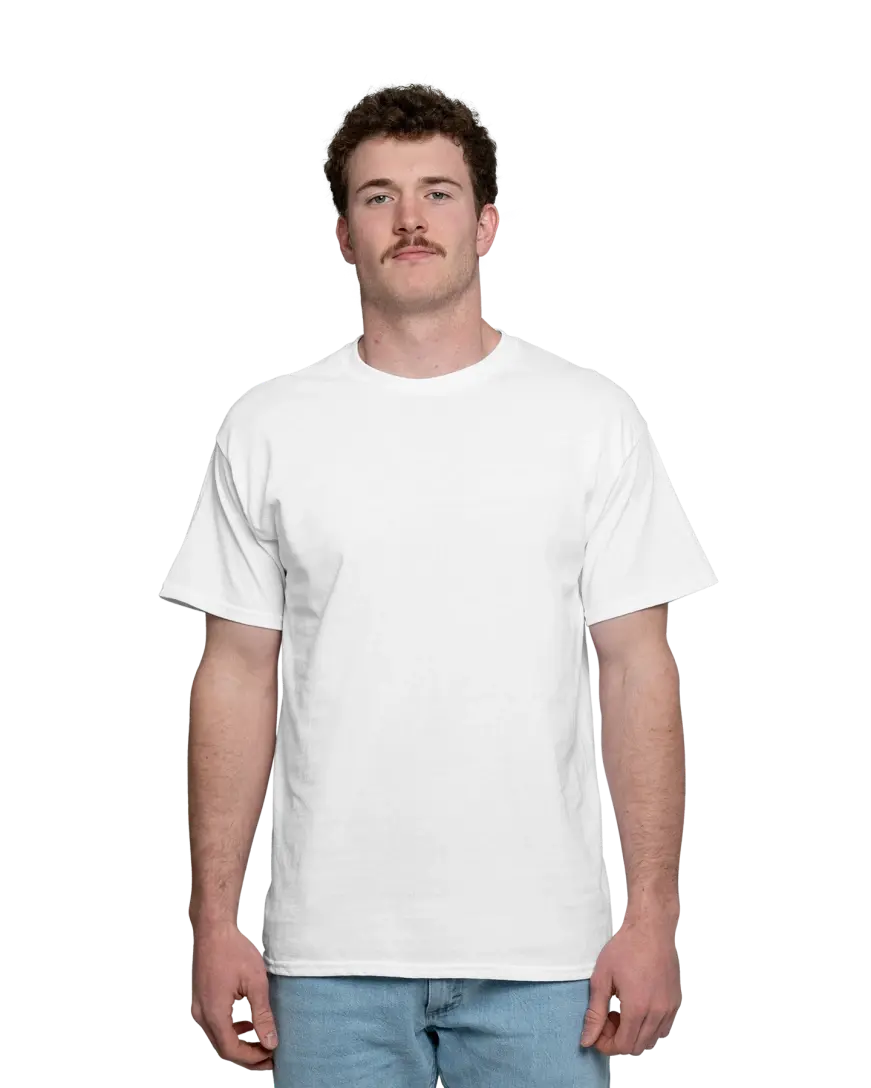
One of the most enduring cotton shirts in custom apparel, the 5000 Gildan Heavy Cotton Tee is a staple choice for event shirts, merch, or classic everyday wear. It’s pre-shrunk 100% cotton in most colors and has a hearty feel that stands up well to screen printing, which is why it remains among our most popular choices for custom tees.
Comfort Colors 1717 Pigment Dyed Short Sleeve Shirt
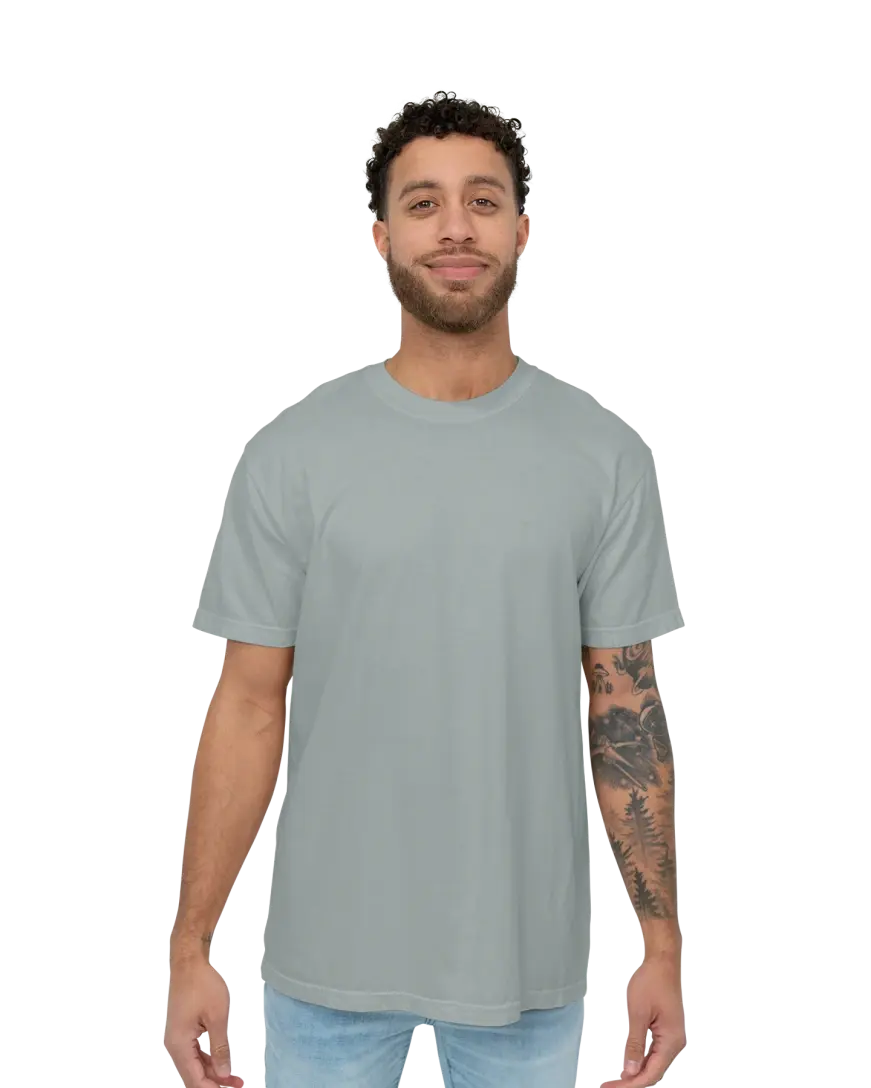
This Comfort Colors tee is made from 100% pre-shrunk, ring-spun cotton with a soft, garment-dyed finish that gives it a relaxed and lived-in feel. Its durable fabric and quality stitching help it hold up well to repeated wear while maintaining comfort and vintage character.
Cotton/Polyester Blends
These fabrics combine the natural softness and breathability of cotton with the strength, durability, and shrink resistance of polyester. This makes them less likely to stretch, sag, or lose their shape over time, while still remaining comfortable for everyday wear.
Cotton/poly blends are also versatile when it comes to printing, performing well with screen printing, DTG, and other popular methods. So they’re often chosen for branded apparel, event shirts, and casual wear because they strike a reliable balance between comfort, longevity, and ease of care.
The most common cotton/poly blends range from 50/50 to 65/35, though other combinations are also available depending on the desired feel and performance.
Pros:
-
- Balanced comfort and strength: Polyester strengthens fabric, reduces shrinkage, and keeps colors vivid.
- Better shape retention: Blends are less likely to sag or twist at seams over time.
- Reliable print performance: Most blends accept screen print and DTF well.
- Better moisture wicking: Blends absorb less moisture than 100% cotton.
Cons:
- Slight synthetic feel: Polyester can feel slicker or less natural to some people.
- Blends vary by color: In multi-color options, fiber content can shift slightly.
Where You’d Use Cotton/Polyester Blends
Blends are great for casual tees, hoodies, sweatshirts, and branded apparel that need extra durability or shape retention. They’re also a good choice for designs that require consistent print results and garments that will be worn frequently or washed often, as the synthetics add durability to the fabric.
Our Product Picks:
DT1100 District Jersey Full-Zip T-shirt Hoodie
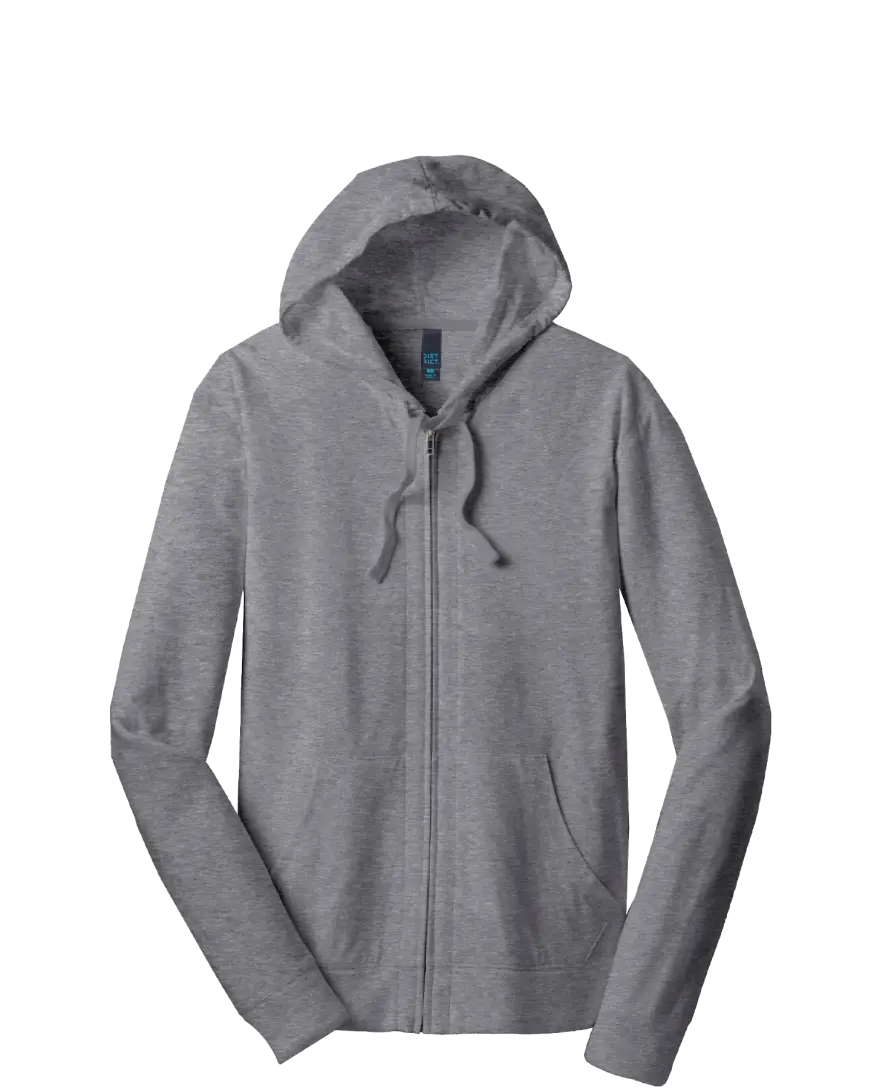
This lightweight hoodie blends 60/40 cotton/poly for a laid-back sweatshirt that works well as a mid-weight layer. It’s ideal for design details that wrap from a printed tee to a casual zip-up look.
Custom 8000 Gildan DryBlend 50/50 Tee
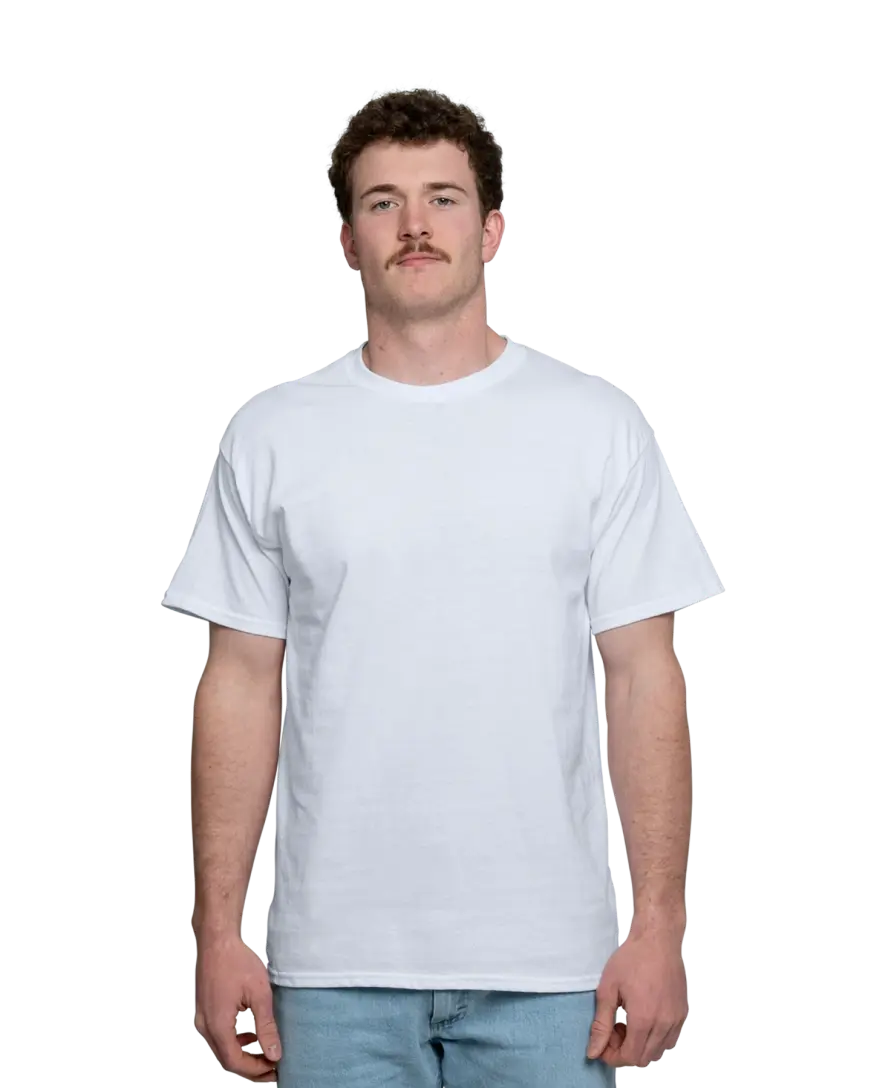
One of our top sellers, the Gildan DryBlend 50/50 Tee is made from a pre-shrunk 50% cotton and 50% polyester midweight fabric, with DryBlend moisture‑wicking that helps keep wearers comfortable during everyday activities and light workouts.
Polyester: High-Performance Synthetics
Pure polyester and other synthetic fabrics are not always the first choice for everyday tees, but they offer several strengths that make them worth considering — especially for athletic wear or designs that require detailed printing.
Polyester dries quickly, resists wrinkles, and wicks moisture away from the body, keeping the wearer comfortable during high-intensity activities. Its durability and ability to retain shape also make it a reliable option for garments that see frequent use or repeated washing.
Pros:
- Moisture wicking: Great for activewear and outdoor use.
- Color retention: Holds dye and print intensity well, especially with sublimation or DTF.
- Shape stability: Polyester resists shrinking and stretching.
Cons:
- Less breathable than natural fibers: Might be uncomfortable in warm weather.
- Can feel synthetic: Some wearers prefer natural fibers for daily casual wear.
- Static and odor retention: Polyester can hold static and take on odors if not washed promptly.
- Fabric snags easily: Fibers can catch on rough surfaces or sharp objects, creating pulls and small holes.
Where You’d Use Polyester High-Performance Synthetics
Pure polyester is ideal for performance tees, moisture-managing shirts, sublimation prints with vibrant full-color artwork, and athletic uniforms. Just be sure your printing method matches the fabric (DTF or sublimation works best for polyester).
Our Product Pick: ST350 Sport-Tek Competitor Tee
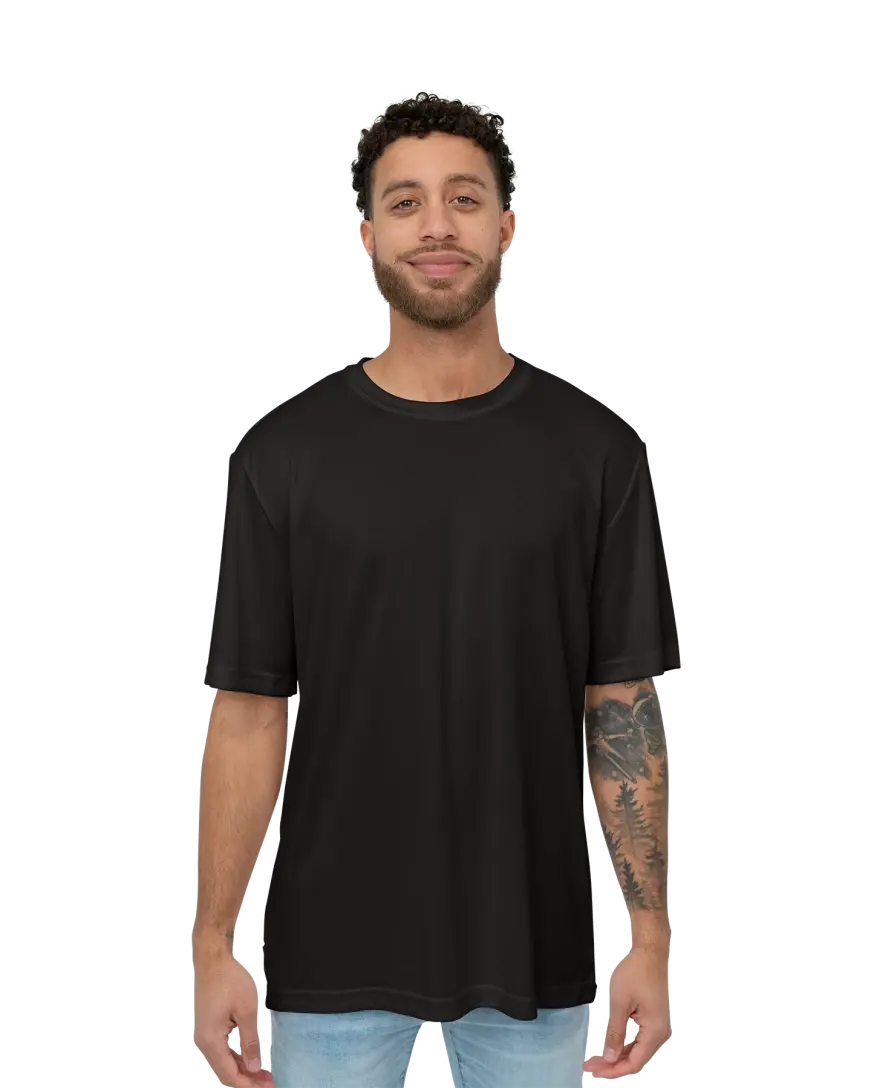
The Sport-Tek Competitor Tee ST350 is a lightweight polyester shirt with durable fabric and quality stitching that holds up well to repeated wear and washing. Its sweat-control design keeps wearers dry and comfortable, making it a great pick for sports and athletic teams.
Polyester: Fleece
Fleece is a soft, brushed fabric usually made from 100% polyester. The fibers are raised through a brushing process, creating a plush, insulating surface that feels cozy against the skin.
While it’s much thicker than a standard polyester tee, fleece retains many of polyester’s advantages like durability, shape retention, and easy care. Polyester fleece is lightweight, dries quickly, and resists shrinking, making it ideal for hoodies, sweatshirts, and other warmth-focused layers that need to perform in everyday wear and active settings.
Pros:
- Soft, warm, and insulating: Excellent for cold-weather apparel.
- Quick-drying: Inherits polyester’s moisture-managing qualities.
- Retains shape: Fabric is durable and maintains fit even after repeated washing.
- Works with screen printing and DTF: Polyester fleece is suitable for custom printing via screen or DTF.
Cons:
- Bulkier: Fleece is bulky and takes up a lot of space.
- Less breathable: Can easily get too warm in milder weather or indoor settings.
- Fuzzy texture: Can soften prints if it has intricate designs.
Where You’d Use Polyester Fleece
Fleece is ideal for sweatshirts, hoodies, layering pieces, and cold-weather activewear, as it retains warmth but is also moisture-wicking compared to natural fabrics. It works well for customization with printed designs, embroidery, or sublimation on suitable polyester blends.
Our Product Pick: F244 Sport-Tek Sport-Wick Fleeced Hooded Pullover
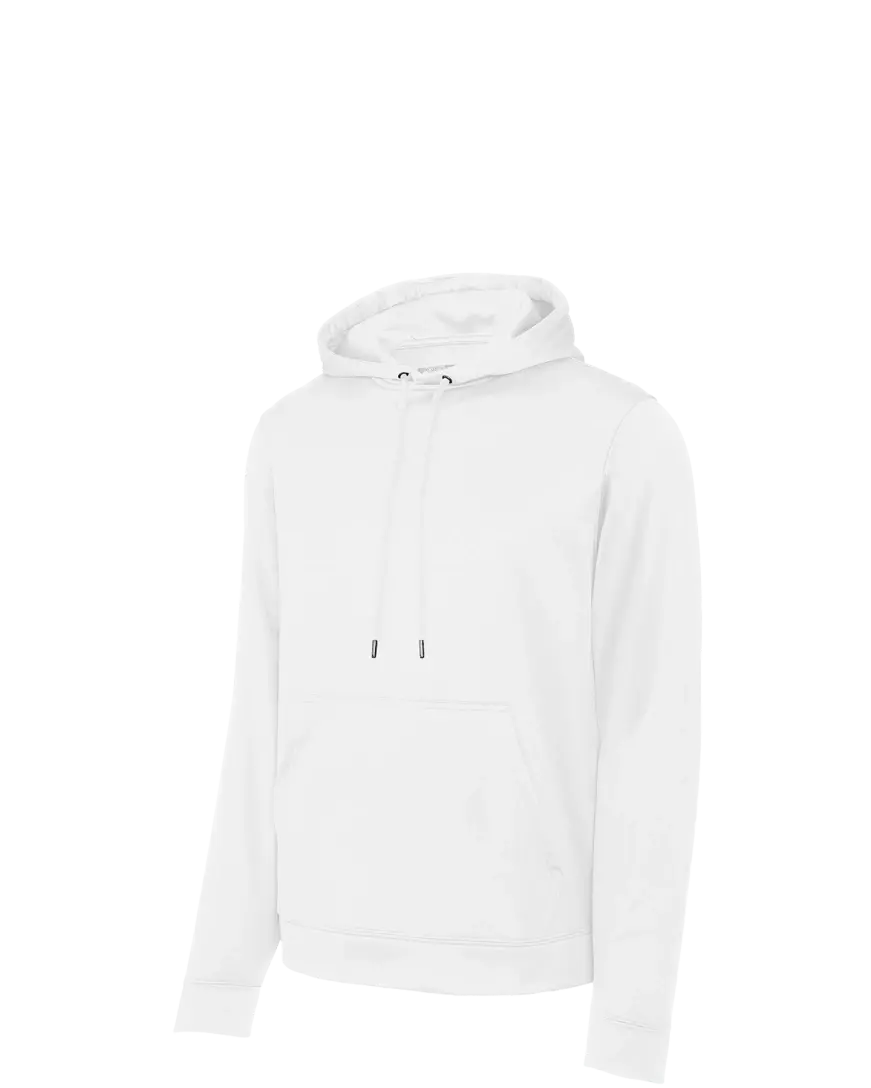
This Sport-Tek pullover is a lightweight 100% polyester hoodie with moisture-wicking fabric and a soft fleece interior for warmth. It features a three-panel hood, front pouch pocket, ribbed cuffs and hem, and double-needle stitching, coming in a variety of colors and great for custom team apparel.
Tri-Blend
Tri-blend fabric is a combination of three fibers: typically cotton, polyester, and rayon. This blend creates a lightweight, ultra-soft fabric with a slightly heathered appearance and a natural drape. Cotton provides breathability, polyester brings durability and shape retention, and rayon adds a smooth, soft feel.
The result is a shirt that feels broken-in from the first wear while still holding up well over time.
Pros:
- Exceptionally soft: One of the softest fabric options available for custom apparel.
- Lightweight and breathable: Comfortable for all-day wear and warmer climates.
- Good shape retention: Polyester helps prevent stretching and sagging.
- Vintage-style print look: Screen prints bond well but develop a softer, worn-in finish that many people prefer.
Cons:
- Less vibrant shirt colors: While prints turn out fine, triblends tend to be heathered and won’t get you solid, vibrant colors compared to 100% cotton.
- Higher cost: Tri-blends are usually more expensive than basic cotton or cotton/poly tees.
Where You’d Use Tri-Blend
Tri-blend fabrics are ideal for fashion tees, lifestyle apparel, band merch, and retail-style shirts where comfort and style matter as much as durability. They work especially well for casual branding, soft-hand screen prints, and designs meant to have a relaxed, vintage feel rather than a bold, high-contrast finish.
Our Product Pick: 3413 Bella + Canvas Tri-Blend Tee
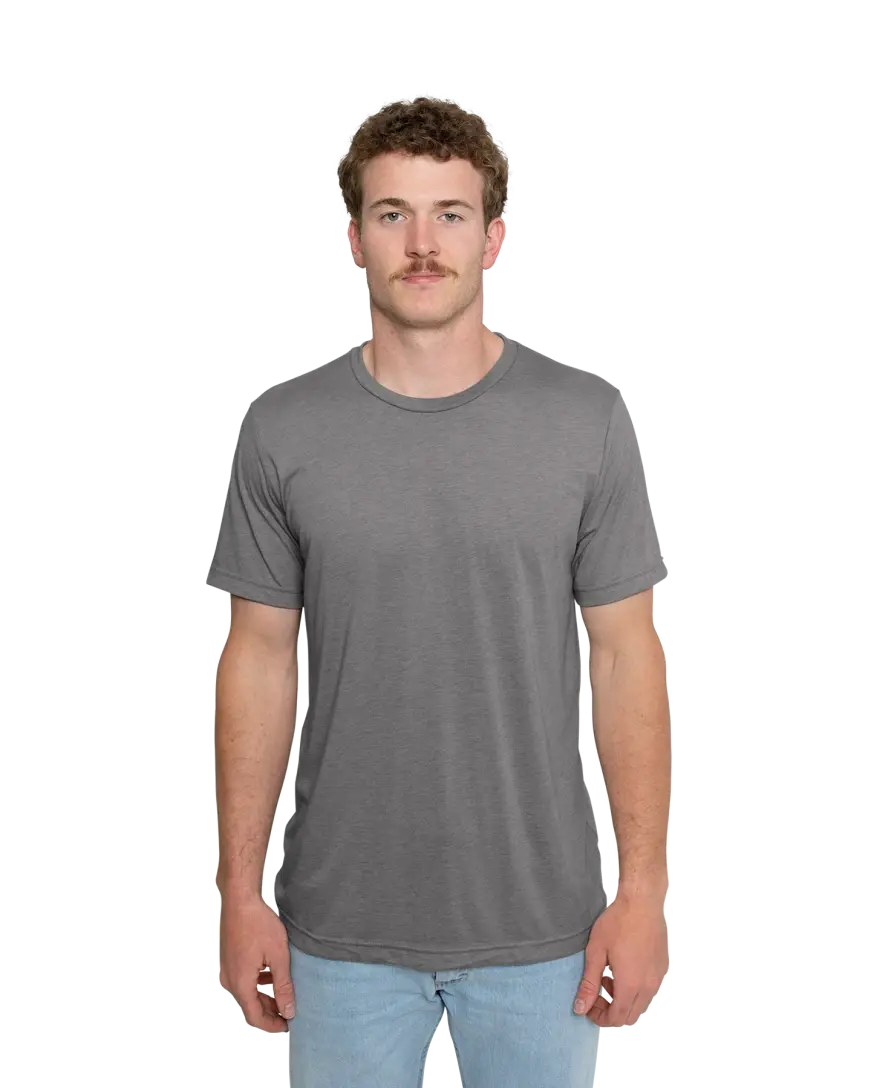
The Bella + Canvas Tri-Blend Tee is made from a soft, lightweight blend of cotton, polyester, and rayon that feels comfortable and drapes nicely on the body. Its smooth fabric and quality construction make it a favorite for casual wear and custom printing.
How to Choose the Right Fabric for Your Use
So which one should you pick? Here’s what we’d recommend based on your needs:
Everyday casual tees: For daily wear, cotton or cotton/poly blends are the top choice. These fabrics strike a strong balance between comfort, breathability, and print quality, making them ideal for everything from casual outings to layered looks. They’re soft on the skin, easy to care for, and versatile enough to pair with jeans, shorts, or joggers — while still holding up well to repeated washing.
Activewear or performance: When choosing shirts for sports, workouts, or outdoor activities, polyester or moisture-wicking blends are your best bet. These fabrics are designed to keep you dry and comfortable by moving sweat away from the body. For printed designs, pairing them with suitable methods such as sublimation or DTF ensures vibrant, long-lasting results even with high-intensity use.
Retail fashion or soft streetwear: Tri-blends and pigment-dyed cotton create a premium feel and a soft, worn-in texture right out of the box. They drape nicely on the body and develop character over time, making them perfect for lifestyle brands or fashion-forward pieces. These fabrics elevate simple tees into standout wardrobe staples that feel intentional and high quality without sacrificing comfort.
Cool weather layering: For fall and winter, heavier fleece sweatshirts and cotton/poly hoodies provide warmth without unnecessary bulk. These materials are durable enough to withstand frequent wear while remaining soft and comfortable. They layer easily over tees or under jackets, making them versatile for both casual and outdoor use, and their robust fabric ensures printed designs remain crisp and intact.
Regardless of the material you’re looking for, we offer a versatile selection of customizable shirts available in different fabric types — each of them print-ready for your branding needs.