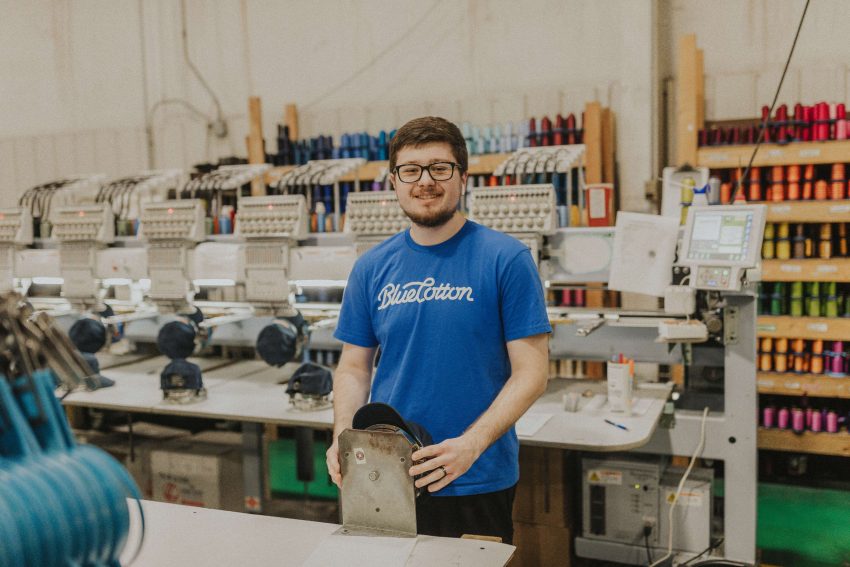
Custom embroidery is a fantastic way to promote your brand in a classy, clean way. It looks great on polos, jackets, and certain shirts, and it tends to be more resilient than prints while offering a more elevated look.
However, you can’t just order an embroidered shirt and call it a day. After all, two embroidered logos can still look completely different once stitched. It’s reasonable to assume that this is due to variances in the shirt itself, but even the same artwork on the same garment can turn out differently depending on the vendor.
The reason for this often comes down to thread type, needle selection, backing, and machine maintenance — decisions that are at the vendor level but inevitably affect how clean the embroidery looks and how well it holds up over time.
- Thread choice affects durability, color retention, and overall finish
- Different fabrics require different embroidery needles
- Backing stabilizes the garment during stitching and helps prevent puckering
- Structured hats and lightweight apparel often need different embroidery setups
- Daily machine maintenance plays a major role in stitch consistency
With that in mind, let’s dive a bit deeper into these factors.
Why Thread Choice Matters
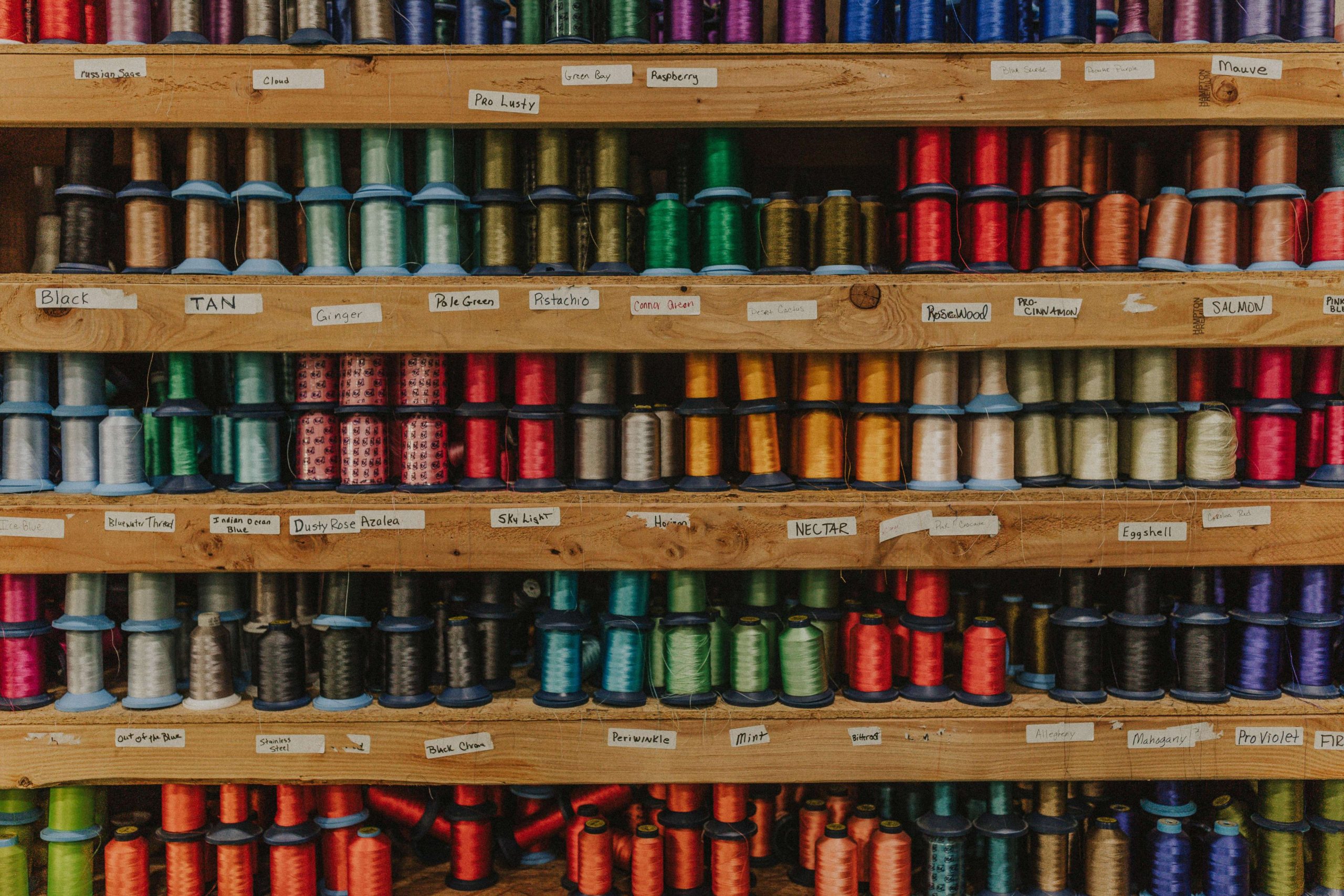
Most embroidery shops use either rayon or polyester thread, and both have certain advantages depending on the use case.
Rayon thread is known for its softer sheen and slightly smoother finish. It tends to look more premium and works especially well for retail-style embroidery or detailed logos where appearance matters most.
Polyester thread is more durable. It’s more capable of handling sunlight, moisture, repeated washing, and general wear over time, which is why it’s commonly used for uniforms, hats, outdoor apparel, and workwear. If the garment will be washed heavily or exposed to the elements regularly, polyester thread usually makes more sense.
Lower-quality thread tends to show issues fairly quickly, regardless of type:
- Fuzzing around the edges
- Inconsistent shine
- Thread breakage
- Fading after repeated washing
- Uneven stitch coverage
How Embroidery Needles Affect Quality
Needles directly affect the quality of the embroidery because different fabrics respond differently to stitching.
For woven fabrics, sharp-point needles are typically used because they penetrate the material cleanly without shifting the weave too much.
Knits are different. Using a sharp needle on softer knit garments can damage fibers and create small holes or distortion, which is why ballpoint needles are used instead; these needles move between knit fibers, which helps the embroidery sit cleaner on garments like polos, lightweight sweatshirts, and performance apparel.
Structured hats create another challenge entirely. Heavier cap materials put more stress on needles during embroidery, which is why titanium-coated needles are often used for hats and thicker structured pieces. They hold up longer under repeated use and help reduce thread breaks during production.
Depending on the garment and stitch density, the size of the needle itself is usually 75/11 or 80/12 — of course, embroidery should never be treated as one-size-fits-all production. When the wrong needle is used, the lettering can look uneven, stitches may skip, and softer garments can start puckering around the logo. On knits especially, incorrect needles may even damage fibers over time or cause thread fraying during wear.
Why Backing Changes Everything
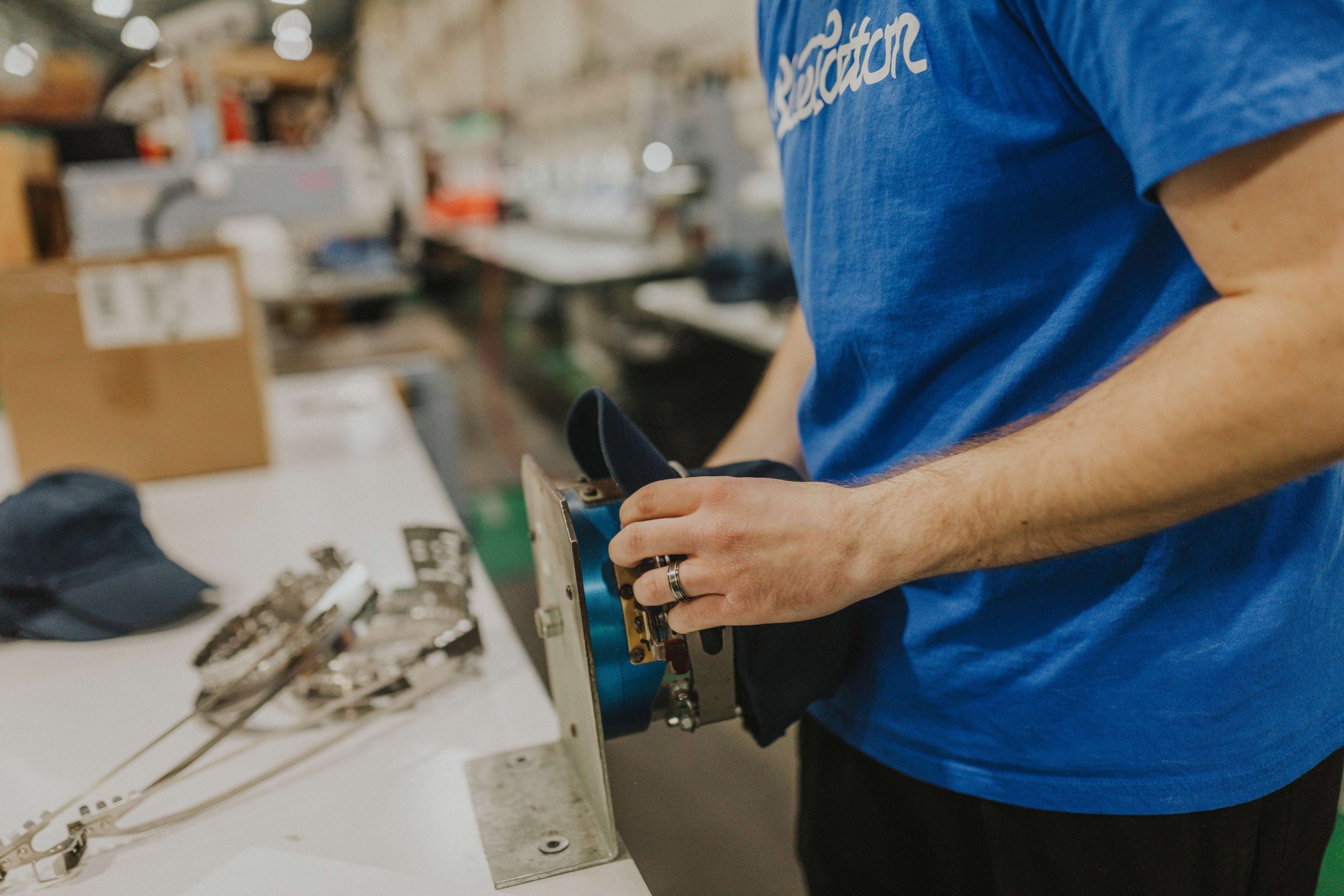
Backing is one of the least visible parts of embroidery, but it has one of the biggest impacts on how clean the finished design looks. Its job is to stabilize the garment during stitching so the fabric doesn’t shift or stretch while the logo is being embroidered.
Different garments require different types of backing.
- Cut-away backing is commonly used for softer garments and knits because it provides long-term stability even after repeated washing.
- Tear-away backing is easier to remove and works well for more stable fabrics where less support is needed.
- Wash-away backing is usually reserved for specialty applications where the backing needs to disappear completely after production.
When the wrong backing is used, the results are usually obvious: Lightweight garments can start puckering around the logo, thin polos may stretch or ripple, and smaller text can distort instead of staying sharp and readable.
Proper backing becomes especially important on performance apparel and lighter-weight garments, where the fabric naturally moves more during embroidery.
The Role of Daily Machine Maintenance in Consistency
Machine maintenance often goes overlooked but plays a modest role in keeping logos looking clean from one order to the next.
Daily upkeep includes things like tensioning thread and bobbins correctly, cleaning thread paths, and lubricating rotary hooks so machines continue running smoothly under constant production.
When that maintenance slips, the quality usually slips with it. Thread tension problems can create loose stitching or inconsistent coverage. Poor bobbin tension can affect the underside of the embroidery and create uneven stitch formation. Machines that aren’t cleaned properly tend to experience more thread breaks, skipped stitches, and inconsistent lettering.
What to Ask Your Vendor Before Ordering
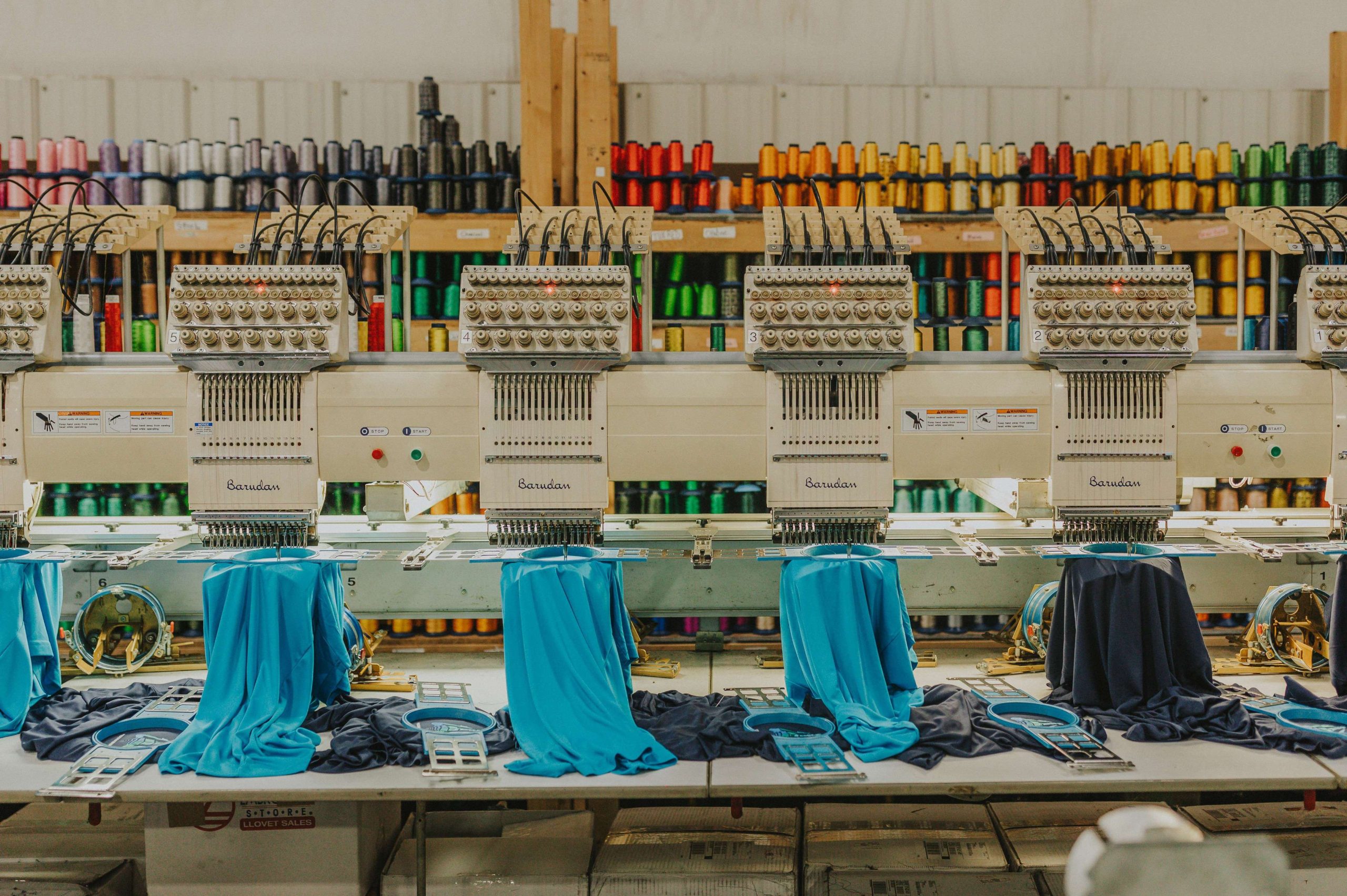
While you don’t need to know every technical detail behind embroidery, a few questions can tell you a lot about how a shop approaches quality.
Before placing an order, it helps to ask:
- Does your embroidery setup change depending on the garment?
- How do you handle lightweight fabrics or structured caps?
- Are sample sew-outs reviewed before production begins?
- How do you maintain consistency across larger orders?
The answers can tell you a lot about how the shop approaches embroidery quality, without ever having to go over the nitty-gritty of needle size and thread type.