If you’re interested in making custom shirts, heat transfer vinyl (HTV) is one of the easiest and most accessible ways to get professional-looking results. However, it’s worth knowing that HTV isn’t the same thing as the heat-applied transfer methods many professional apparel decorators use today. BlueCotton, for example, uses Direct-to-Film (DTF), which transfers printed ink to the garment rather than applying cut vinyl.
For DIY projects, though, traditional HTV can still work when you’re making just a few shirts, personalizing individual garments, or experimenting with a design. If you’re producing shirts in larger quantities, though, that’s where screen printing becomes the more efficient option.
The blank shirt matters as well. If you’re applying a large or heavier vinyl transfer, a heavyweight cotton shirt provides a more stable base than a lightweight tee. Here are the shirts and considerations to know before starting a small-batch HTV project.
What Is Heat Transfer Vinyl?
Heat transfer vinyl, or HTV, is a garment decoration method that uses heat and pressure to bond pre-cut vinyl designs onto fabric.
Rather than printing ink directly onto a shirt, the design is first cut from a sheet of vinyl using a cutting machine. The excess material is removed, leaving the finished design attached to a clear carrier sheet. A heat press then applies the vinyl to the garment, where the adhesive bonds it to the fabric.
Since the design is cut from solid-colored material, HTV is especially well suited for names, numbers, logos, lettering, and simple graphics. It’s also available in finishes like glitter, metallic, reflective, flock, holographic, and puff, making it a popular choice for projects that need something beyond a standard print.
HTV is one of several decoration methods that use heat during application. Other methods, such as Direct-to-Film (DTF), also use a heat press but apply a printed transfer rather than cut vinyl. If you’re specifically looking to make a handful of shirts yourself, traditional HTV is a good DIY option.
What Fabrics Can You Use with HTV?
One of the advantages of HTV is that you can use it on a wide range of apparel fabrics. The important part is choosing a vinyl that’s compatible with the specific material you’re decorating.
100% cotton is one of the easiest places to start. It provides a stable surface for the transfer and can generally withstand the heat used during HTV application, making it a reliable starting point for DIY and small-batch projects.
Cotton-poly blends can also work well with HTV. Since the exact fabric composition can vary between garments, check the vinyl manufacturer’s recommendations before applying a transfer.
Polyester is commonly used for athletic and performance apparel and can be decorated with HTV designed for polyester. One issue to be aware of is dye migration, which can occur when heat causes dye from the polyester garment to move into the transfer. For these shirts, choose an HTV specifically designed to help prevent dye migration and follow the manufacturer’s application instructions.
Stretch fabrics containing spandex or elastane generally require a stretch HTV that can move with the garment. Using a vinyl designed for stretch helps the transfer flex with the fabric during wear.
Nylon and other specialty fabrics may require a specific type of HTV formulated for that material. Always check the manufacturer’s fabric compatibility and application instructions before pressing.
So while HTV can work on many different fabrics, cotton and high-cotton blends are a straightforward starting point for most basic T-shirt projects. If you specifically need a performance, stretch, or specialty garment, choose an HTV designed for that fabric rather than treating all vinyl as interchangeable.
Best Shirts for Small-Batch HTV Projects
The best shirt for HTV is one that’s easy to press, comfortable to wear, and durable enough to hold up after repeated washing.
Although HTV can be applied to many fabrics, some shirts make the process simpler and provide a more predictable result. For most DIY and small-batch T-shirt projects, 100% cotton or high-cotton blends are a dependable starting point.
Shirts with a smooth, even surface tend to produce the cleanest results. A stable knit gives the adhesive consistent contact with the fabric during pressing, while garments that can comfortably withstand the recommended pressing temperature help ensure proper adhesion.
A heavier shirt doesn’t automatically make an HTV design more durable, but it can provide a more stable base for a large or thick transfer. This is particularly useful with specialty vinyls that add more weight or texture to the garment. Lightweight shirts can still work well when paired with thinner, flexible HTV.
For crafters working with HTV at home, heavier cotton blanks can also make the pressing process easier. A stable fabric surface helps the transfer adhere evenly, reducing the chance of issues like wrinkles, lifting edges, or uneven application.
When choosing a shirt for an HTV project, consider:
- Fabric content: 100% cotton or high-cotton blends are a dependable option for many HTV applications.
- Fabric weight: Medium-to-heavy shirts provide more structure for larger transfers.
- Surface texture: Smooth, even fabrics create a better application surface.
- Intended use: A shirt for occasional wear may have different requirements than a product you plan to sell or wear repeatedly.
Best Shirts for HTV Transfers That Need to Last
Two popular options for HTV projects are the Gildan 5000 Heavy Cotton T-Shirt and the Gildan 2000 Ultra Cotton T-Shirt.
Gildan 5000 Heavy Cotton T-Shirt
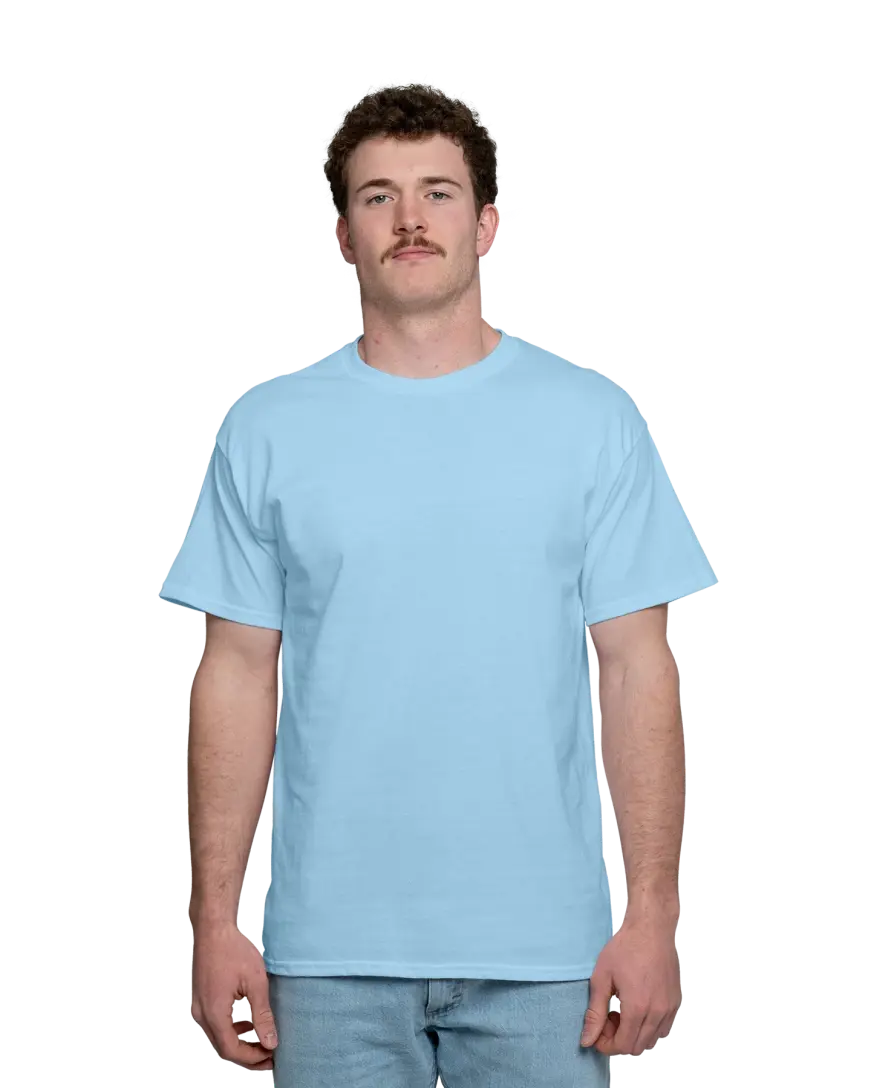
The Gildan 5000 is a staple heavyweight cotton tee that delivers reliable quality at a low price per shirt.
- 5.3 oz., 100% cotton (some heather and antique colors are 50/50, 90/10, or 99/1 cotton-poly blends)
- 66 color options
- Sizes: Adult S-5XL, youth YXS-YXL
- Best for: Small-batch projects, personalized shirts, fundraisers, and everyday custom apparel
Gildan 2000 Ultra Cotton T-Shirt
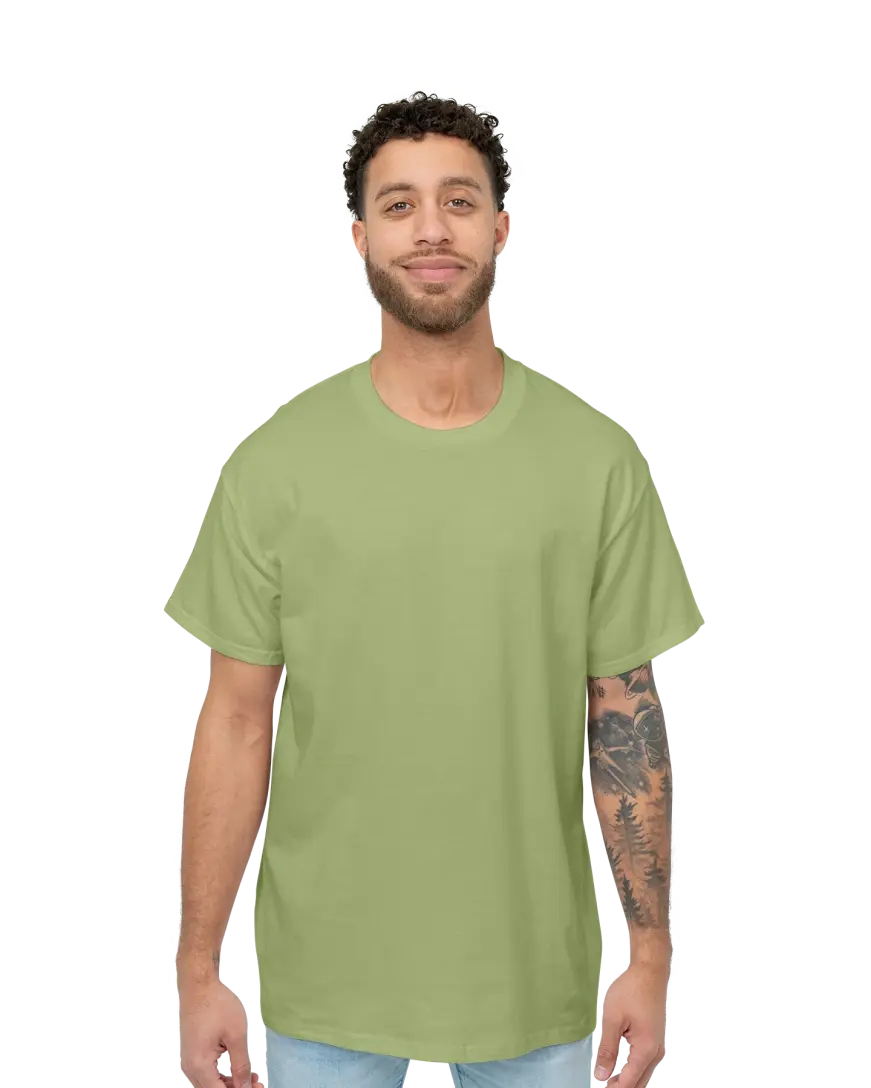
The Gildan 2000 is an even heavier cotton tee with a substantial feel, making it a good choice for HTV designs that need a sturdy base.
- 6.1oz., 100% cotton (some heather and antique colors are 50/50, 90/10, or 99/1 cotton-poly blends)
- 59 color options
- Sizes: Adult S-5XL, youth YXS-YXL
- Best for: Work shirts, team apparel, volunteer shirts, and custom projects where durability matters
Match the Shirt to Your HTV Design
The type of HTV you’re using can also influence which shirt makes the most sense. Standard HTV is relatively thin and works well for everyday designs including lettering, logos, and simple graphics. If you’re applying a large design or using a thicker specialty vinyl, the weight and structure of the shirt become more noticeable.
Specialty HTV comes in a range of finishes, including glitter, flock, metallic, reflective, holographic, and puff. These materials can have more texture or weight than standard HTV, so a substantial shirt can provide a better overall balance. A heavyweight cotton tee like the Gildan 5000 or 2000 can be a particularly good choice for these applications.
The size of the design matters, too. A small chest logo places relatively little material on the garment, while a large front or back graphic covers a much greater area. A heavier blank can help give a large transfer a more substantial base, while a thinner transfer can be a better match for a lightweight shirt.
Getting the Best Results from HTV
Choosing the right shirt is only one part of getting a good result. The application settings need to match the specific HTV and garment you’re using.
Temperature, pressure, and pressing time will vary between HTV products, so there isn’t one universal setting that works for every transfer. Follow the manufacturer’s application instructions for the particular vinyl you’re using, especially when working with polyester, stretch fabrics, or specialty materials.
The same applies to garment care; follow the recommended washing and drying instructions for the transfer and shirt after application. Proper care helps protect the vinyl and the garment over repeated wear and washing.
When to Use HTV vs. Screen Printing
HTV is an excellent option for small quantities, personalization, and experimental projects. It allows you to create custom shirts without large setup requirements, making it popular for crafters, small businesses, and one-time events.
For larger batches, however, screen printing may be the better choice.
What’s the Difference Between HTV and Screen Printing?
HTV and screen printing apply designs to garments in different ways. With HTV, each design is cut from vinyl, weeded, positioned, and heat pressed onto the individual shirt.
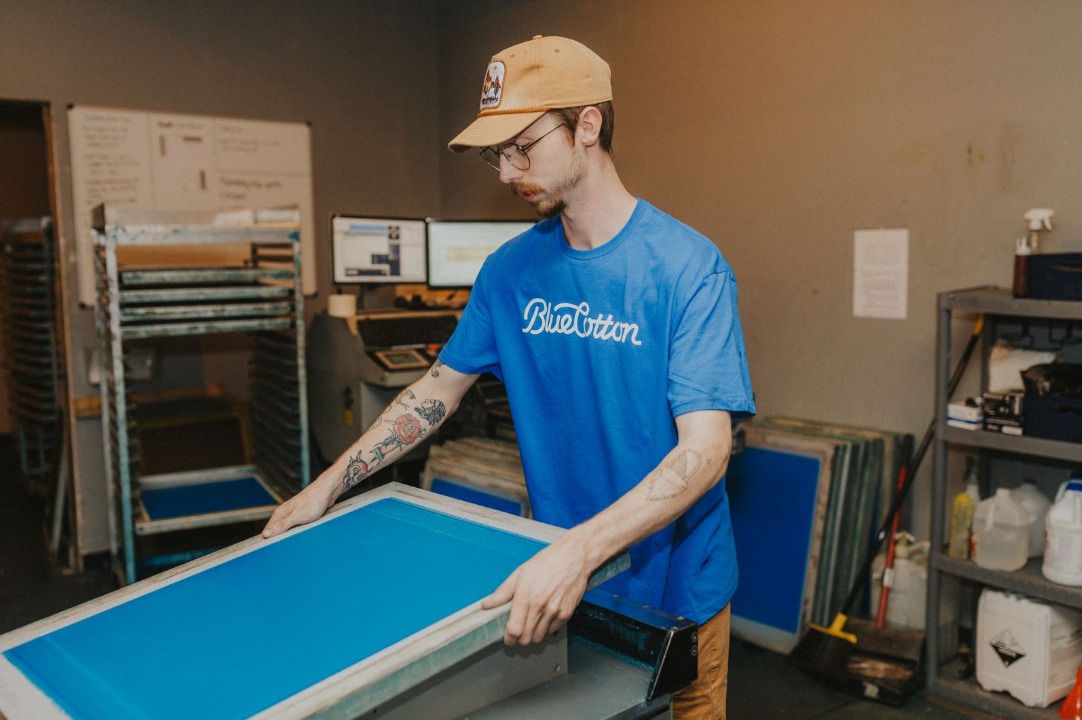
Screen printing will require more setup at the beginning, including preparing screens for the design, but those screens can then be used to print the same design repeatedly across the entire order. As the quantity increases, the initial setup cost is spread across more shirts, making screen printing faster and more cost-effective for large runs of the same design.
HTV works well for:
- One-off shirts
- Small batches
- Personalized names and numbers
- Short runs for testing designs
- DIY projects
Screen printing is a better fit for:
- Team orders
- Company apparel
- Fundraisers
- Large events
- Retail products requiring consistent production
Screen printing also creates a different finished feel. Many businesses choose it for its durability, professional appearance, and ability to handle high-volume orders efficiently.
If you are creating five shirts for a birthday party, HTV is the easiest solution, but if you need 100 shirts for an event, screen printing will generally provide better value and a more streamlined production process.
The Bottom Line
For most small-batch HTV projects, start with a shirt that has a smooth surface, enough structure for the transfer you’re using, and fabric that’s compatible with your particular HTV.
For a sturdy, budget-friendly option, the Gildan 5000 and Gildan 2000 are solid choices, particularly for larger or heavier HTV transfers. For larger quantities of identical shirts, consider screen printing instead. HTV gives you flexibility for small runs and personalization, while screen printing becomes more efficient as the quantity increases.