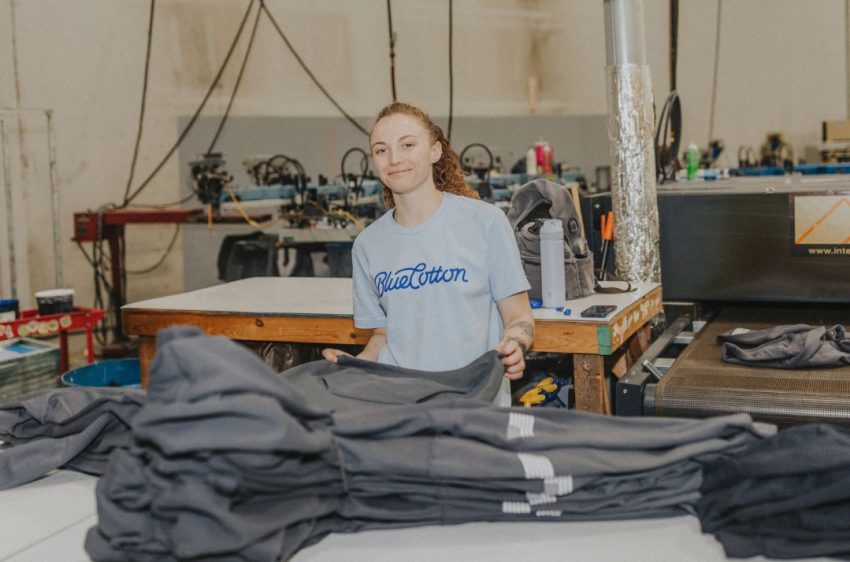
The kind of hoodie you order for custom branding really does matter, and it can make all the difference between a hoodie that gets worn day in and day out and one that sits in the corner gathering dust after just one use.
Most importantly, how custom hoodies look and feel when you first pull them out of the box is one thing… but how they perform after weeks and months of use is another. You need something that will feel good after countless washes, look just as good as the day it arrived, and something your team can enjoy for the long haul.
So let’s break down what makes a high-quality custom hoodie and how to pick one that people will want to live in.
At a Glance
| Brand / Style | Fabric Weight | Fabric & Fleece Type | Feel & Structure | Best For | Best Decoration Methods |
| Independent Trading Co. | Mid to Heavy | Cotton / poly (3-end fleece on heavyweight styles) | Structured, substantial (varies by weight) | Premium merch, embroidery | Screen print, embroidery |
| Carhartt | Heavy | Cotton / poly workwear fleece | Rugged, durable | Workwear, outdoor crews | Embroidery, screen print |
| Champion | Heavy | Cotton / poly fleece | Athletic, structured | Teamwear, classic logos | Screen print, embroidery |
| Comfort Colors | Heavy | Garment-dyed cotton fleece | Soft, relaxed | Lifestyle merch | Screen print |
| Gildan | Heavy | Cotton / poly fleece | Reliable, classic | Large group orders | Screen print, embroidery |
| Under Armour | Light or heavy | 100% polyester for lightweights or polycotton for heavyweights | Athletic, lightweight | Activewear teams | Screen print, heat-based |
Fabric Weight: Why Heavier Isn’t Always Better
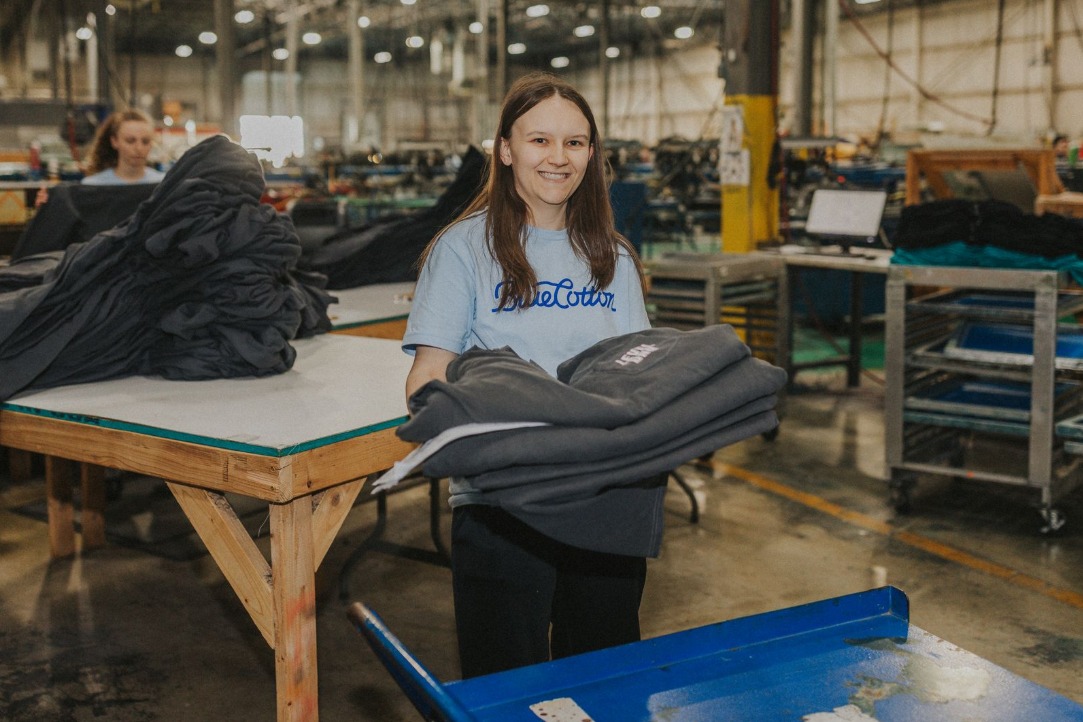
Fabric weight is usually the first thing people fixate on. After all, heavier hoodies tend to feel better in your hands, so it’s easy to assume that heavier = higher quality.
But that’s where things start to go sideways.
The weight of the fabric affects how prints sit, how embroidery behaves, and how the hoodie hangs once someone’s actually wearing it.
- Lightweight hoodies feel easy and breathable. They’re comfortable, but they don’t have much structure. Add heavy ink or dense embroidery, and they can start to feel flimsy or off-balance pretty fast.
- Midweight hoodies are usually the safest bet. They strike a nice middle ground between comfort and structure and tend to behave well with printing and embroidery.
- Heavyweight hoodies feel warm, solid, and substantial. They hold embroidery really well and usually last longer, but they’re not always the most practical option, especially if the hoodie isn’t meant to be worn year-round.
Besides seasonality, heavyweight hoodies also come with another major drawback: On large orders, these heavier garments can drive shipping costs up fast and turn what felt like a good bulk deal into a surprisingly expensive morale boost. The good news is that at Blue Cotton, we offer free shipping.
Fleece Types That Separate Nice From High Quality
Two hoodies can look almost identical on a rack and feel completely different after a few weeks of wear. When that happens, fleece quality is usually the reason.
- 2-end vs. 3-end fleece: 3-end fleece uses an extra yarn, which adds structure and strength. That extra stability shows up more often in higher-end hoodies and tends to hold up better once logos are added and the hoodie starts seeing regular wear.
- Ring-spun vs. open-end cotton: Ring-spun cotton creates a smoother surface that makes prints look cleaner, and the fabric is less likely to pill after repeated washes. Open-end cotton tends to feel rougher and shows wear sooner.
- Cotton, blends, and polyester: Cotton blends tend to be the sweet spot. They help control shrinkage and add durability without losing that familiar feel. Pure cotton can feel great, but it needs more careful washing. Polyester resists shrinking and dries quickly, but it feels more synthetic.
- Brushed interior vs. loopback fleece: Brushed fleece is soft and cozy. Loopback (often called French terry) breathes better but feels lighter and less plush.
Construction Details That Start to Matter Later
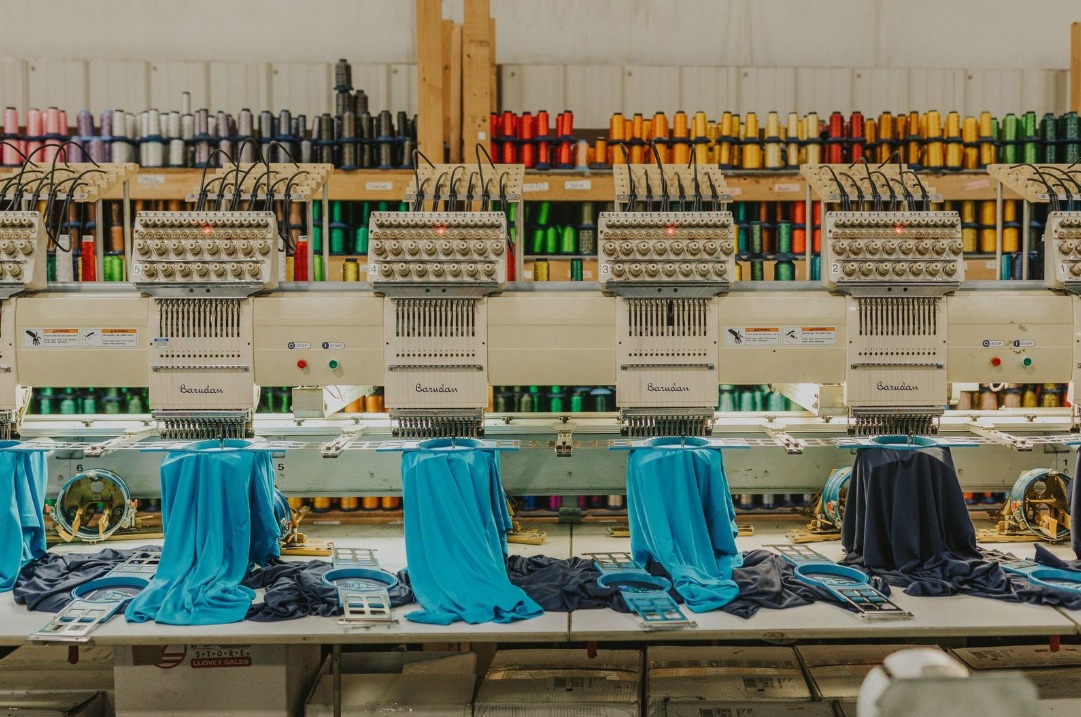
Then there’s the little things; smaller details that don’t seem to matter all that much at first but can really make a huge difference.
- Stitching: Strong, even stitching helps a hoodie keep its shape. Reinforced seams reduce twisting and make blowouts less likely.
- Ribbing: Good cuffs and waistbands stretch and snap back. Once ribbing starts to sag, even a great print can’t save the hoodie from looking worn out.
- Hood construction: Multi-panel hoods, sturdy drawcords, and reinforced grommets make a bigger difference than most people expect. Cheap hood construction shows wear fast.
- Kangaroo pockets: Poorly stitched pockets stretch and tear more easily, especially on heavier hoodies that get worn a lot.
- Side seams: Side-seamed hoodies hold their shape better than tubular ones, especially after repeated washing.
- Fit consistency: This is where group orders and reorders usually get messy. Inconsistent sizing is one of the biggest pain points we see when teams try to reorder the same hoodie later.
Durability: What Shows Up After a Few Washes
For staff uniforms, school programs, or hoodies worn week after week, durability almost always matters more than softness alone.
- Shrinkage: Cotton/poly blends tend to shrink less than 100% cotton, which keeps sizing more predictable over time.
- Pilling: Softer fleece can pill faster, especially in high-friction areas like sleeves and sides.
- Color fading: Better dyes hold color longer, while cheaper ones fade and make a hoodie look tired fast.
- Shape retention: Once a hoodie loses its shape, it usually doesn’t come back.
Print and Embroidery Results: Picking the Right Match
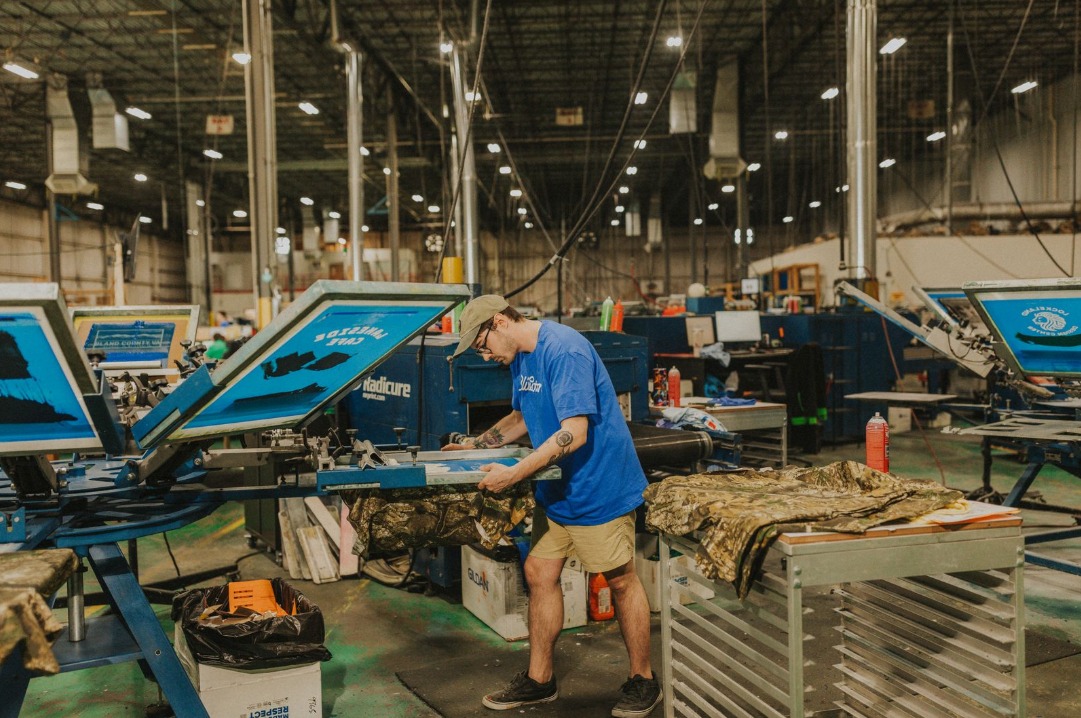
Some hoodies make printing and embroidery easy. Others make it harder than it needs to be.
- Screen printing works best on hoodies with a smooth, stable surface. Midweight and heavyweight fleece handle ink well, especially for bold logos. Very soft fleece can struggle with large prints and heavy ink, making it uncomfortable quickly.
- DTG shines with detailed artwork, but it’s picky and works best on light-colored, cotton-rich hoodies.
- DTF allows for complex designs across many fabrics, but the tradeoff is the feel. Transfers add weight, which becomes more noticeable on lightweight fleece — especially with large prints.
- Embroidery needs structure; heavier fleece supports stitch density without puckering. Large embroidered areas will always feel stiffer, no matter how nice the hoodie is, but sewn-on letters are very popular regardless and make a statement — even if they are a little more stiff.
Hoodie Brands That Meet the Quality Standard
These are the brands we trust when quality matters.
Independent Trading Co
Best for premium merch, embroidery or screen print branding, and long-term wear
Independent Trading Co. hoodies lean mid to heavyweight, with solid structure and a more substantial feel. That extra weight doesn’t just mean warmth; it helps the hoodie support printing and embroidery without losing its shape.
We see this brand shine on embroidery-heavy designs. The fleece holds stitch density well, stays smooth, and looks cleaner longer.
For premium merch drops or branded apparel meant to last more than a season, this is one of the most reliable choices out there. It tends to cause the fewest surprises later, and they have a great feel.
Pros
- Mid to heavyweight fleece with strong structure
- Handles embroidery cleanly
- Holds its shape after repeated washing
- Feels substantial and high-end
- Consistent quality across sizes
Cons
- Heavier feel isn’t ideal for year-round wear
- Higher cost than basic midweight hoodies
- Added shipping weight on large orders
Carhartt
Best for workwear, outdoor crews, and trade teams
Carhartt hoodies are built for work first. They’re meant to be worn daily, layered often, and pushed hard.
Compared to standard fleece hoodies, they feel firmer and more rugged right out of the box. That structure makes them a good fit for embroidery and simple screen-printed logos, especially for uniforms or crew apparel.
The comfort is there, but durability clearly comes first. If toughness matters more than softness or style, Carhartt delivers exactly what you expect.
Pros
- Extremely durable construction
- Holds up to frequent wear and washing
- Supports embroidery well
- Trusted workwear reputation
Cons
- Stiffer hand feel
- Limited color and style variety
Champion
Best for teams, schools, and classic athletic branding
Champion hoodies offer dependable heavyweight fleece with a familiar, athletic feel. They sit comfortably between premium structure and everyday wearability, which makes them a safe, proven choice for group orders.
They handle screen printing and embroidery well, especially for traditional placements. Not trendy, but very predictable, which is often the real win.
Pros
- Reliable fleece quality
- Works well for printing and embroidery
- Familiar athletic styling
- Consistent sizing
Cons
- Less modern fit and design
- Limited colors
Comfort Colors
Best for lifestyle merch and relaxed branding
There’s a reason Comfort Colors hoodies have been so popular since they arrived on the scene in 1995. They’re all about that washed and broken-in feel. The garment-dyed process gives them a soft texture and muted, lived-in colors that work especially well for casual merch.
Because the fleece is softer and less structured, these hoodies do better with screen printing than heavy embroidery. They’re not as rugged as Carhart, but they’re very comfortable and built to last for a very long time.
Pros
- Soft, comfortable hand feel
- Unique garment-dyed colors
- Relaxed, casual look
- Great for year-round wear
- Popular for lifestyle brands
Cons
- Does not represent true team colors very well
- Not as warm as heavy fleece
Gildan
Best for large group orders and value-focused projects
Gildan hoodies are everywhere for a reason. They offer consistency, availability, and strong value at scale. For events, schools, and big groups, that reliability really matters; no one wants a 100-unit order where all the hoodies look slightly different.
The fleece provides a stable surface for screen printing and handles standard embroidery well. While the feel is more utilitarian than premium brands, the results are unfailingly predictable.
Pros
- Affordable and easy to source
- Consistent sizing
- Reliable for screen printing
- Strong value for bulk orders
- Available in youth sizes all the way up to XXXXL
Cons
- Less refined feel
- Not as structured as premium options
Under Armour
Best for performance teams and athletic use
Under Armour hoodies are built for movement, using lighter, more technical fabrics that focus on breathability and flexibility rather than plush warmth or structure.
They work best with screen printing and select heat-based decoration methods, depending on the fabric blend. While they’re not ideal for dense embroidery or detailed DTG designs, they’re a solid fit for athletic teams and active environments.
Pros
- Lightweight, performance-focused fabrics
- Athletic fit and feel
- Designed for movement
Cons
- Limited embroidery compatibility
- Less warmth and structure than fleece-heavy hoodies
Choosing the Right Hoodie (Without Overthinking It)
The best quality custom hoodie comes down to getting a few key things right: fabric weight, fleece, construction, and how it’s decorated.
When those pieces line up, your hoodies will look better, last longer, and create far fewer headaches — especially when it’s time to reorder.
If you’re stuck between a few options, talking it through before production starts can save a lot of frustration later. Once the hoodies are out in the world, it’s much harder to fix what could’ve been avoided pre-purchase.