Garment-dyed shirts are a classic choice for that worn-in retro look, since the method involves dying the fabric after the shirt is sewn instead of before — delivering that slightly faded color that’s great for events, teams, and brand merch.
Two of the brands that do garment-dyed shirts best are Comfort Colors and Hanes ComfortWash. They’re both known for their garment-dyed apparel, use 100% U.S.-grown cotton in many of their best-selling styles, and focus on creating soft, durable shirts with a broken-in feel.
So if you’ve narrowed your order down to one of these two, here’s where they differ and where the difference barely matters at all.
At a Glance
| Comfort Colors 1717 | Hanes ComfortWash GDH100 | |
| Fabric Weight | Heavyweight, 6.1 oz/yd² | Midweight, 5.5 oz/yd² |
| Construction | Tubular, 100% ring-spun cotton | Tubular, 100% ring-spun cotton |
| Color Options | 67 colors | 34 colors |
| Fit | Boxy, runs short, size up | True to size, longer body and sleeves |
| Sizes* | Adult S-4XL, Kids YXS–YL | Adult S-3XL, Kids YXS–YXL |
| Texture | Most textured of the two | Smoother, still soft |
| Pricing** | $13.70 per shirt | $14.78 per shirt |
*Size availability varies across colors
**Based on order of 50 shirts with 1 color screen print
Brand Comparison
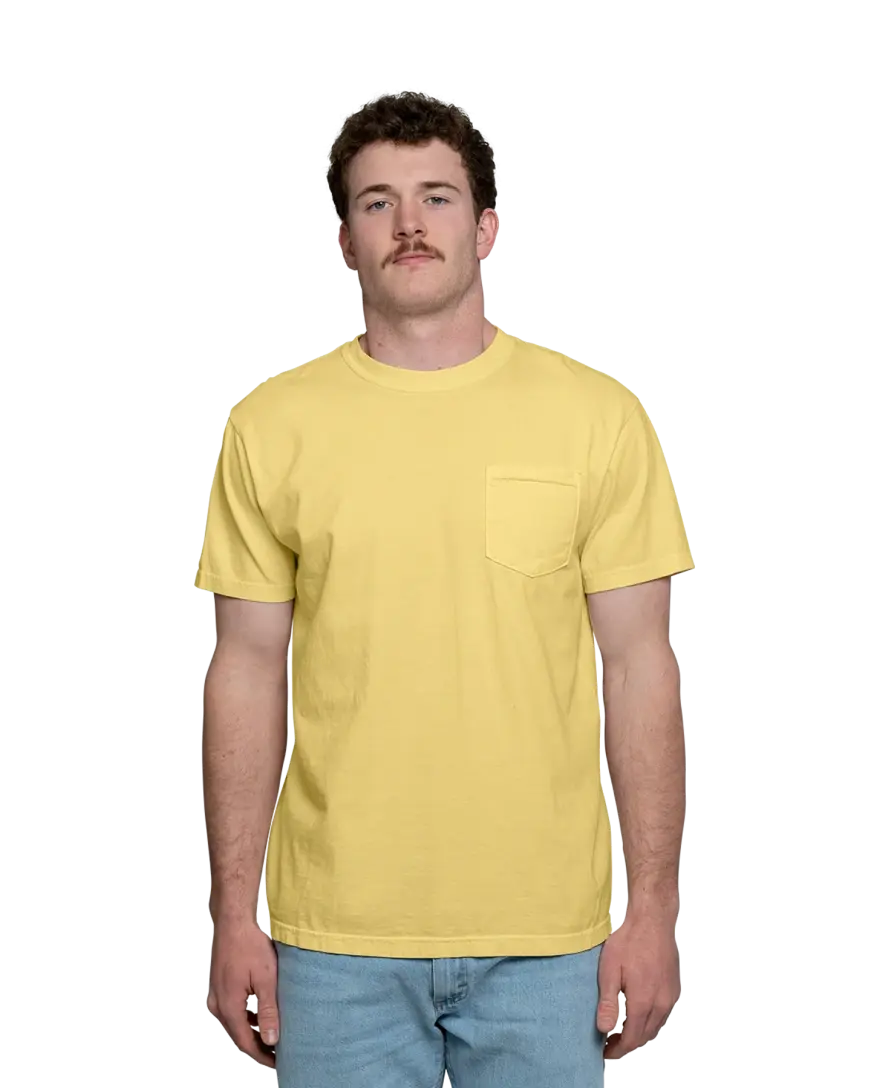
Founded in Vermont in 1975, Comfort Colors is the brand most people picture when they think of a garment-dyed T-shirt. The company built its reputation around soft, vintage-inspired apparel with a lived-in feel straight off the shelf. If you’ve ever picked up a faded concert tee or a shirt from a local brewery, there’s a good chance it was printed on a Comfort Colors blank.
Hanes has been manufacturing apparel in Winston-Salem, North Carolina, since 1901. While Hanes is best known for everyday basics, the ComfortWash line focuses specifically on premium garment-dyed apparel with a softer, more vintage appearance, offering broken-in comfort and a casual aesthetic.
Garment-Dyeing Style
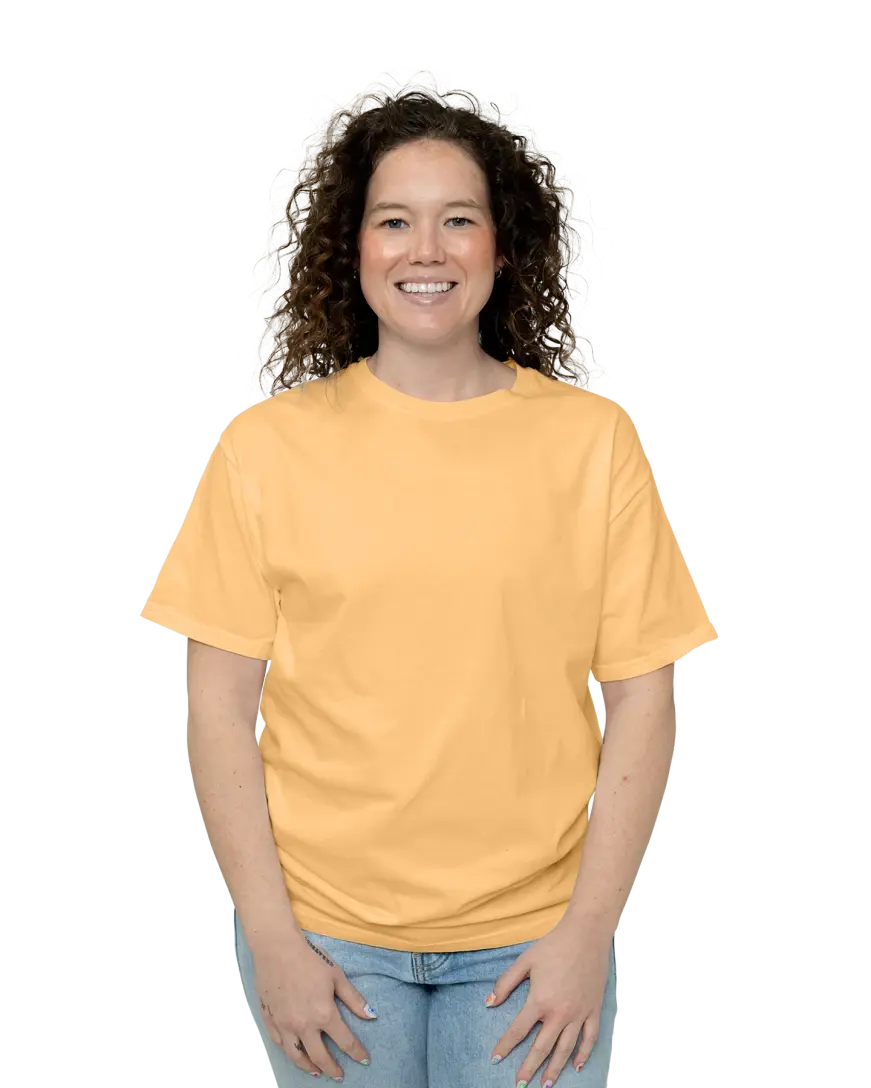
For context, garment-dyed shirts are made differently from the piece-dyed shirts that most people are familiar with.
Instead of dyeing the fabric first and then cutting and sewing it into a shirt, the garment is constructed in its natural state and dyed after assembly. Because the entire finished shirt goes through the dyeing process, subtle variations in color naturally develop around seams, folds, and different areas of the fabric.
That variation is part of what gives garment-dyed apparel its distinctive character. Rather than looking factory-perfect, garment-dyed shirts have a softer, more lived-in appearance that many people associate with vintage clothing.
Comfort Colors specifically uses pigment dyeing, a type of garment dyeing that uses pigments that remain closer to the fabric’s surface rather than becoming fully integrated into the cotton fibers. This creates the faded, weathered appearance that has become the brand’s signature look, with slight shifts in tone and visible variation throughout the garment.
For their ComfortWash line, Hanes combines garment dyeing with a vintage wash and an enzyme wash, which helps remove loose surface fibers from the fabric and results in an exceptionally soft feel. The garment-dye process still produces subtle color variation, but the overall effect is more controlled and uniform. Colors still have a washed, vintage-like quality to them, though they typically appear smoother and less weathered than a pigment-dyed shirt.
Fabric Weight and Construction
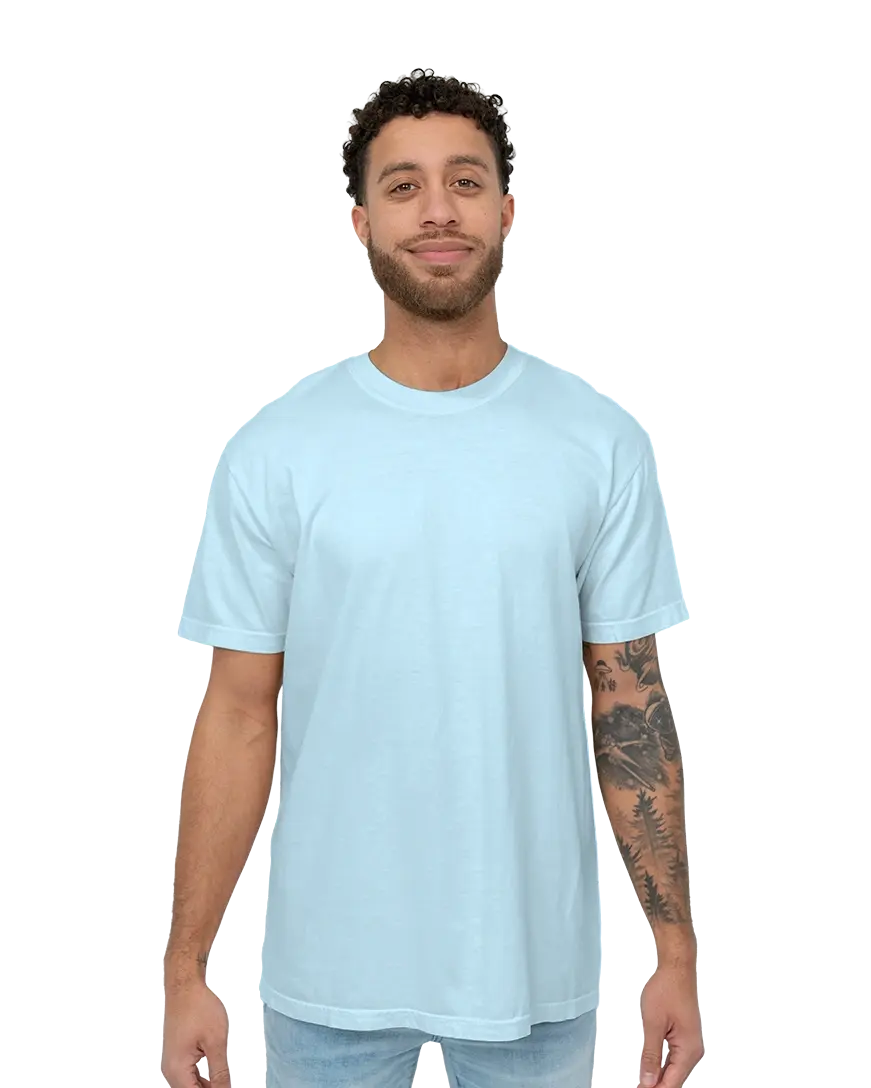
Here’s where the brands are most similar.
For one, both shirts share the same tubular construction, meaning the body comes from a continuous tube of fabric instead of separate front and back panels stitched together. This is what gives these shirts their boxy, relaxed shape rather than the more tailored silhouette that’s common in retail fashion tees.
Second, both brands also lean on ring-spun, U.S.-grown cotton rather than standard open-end cotton. Ring-spinning twists the fibers tighter during processing, which leaves fewer loose fiber ends sticking out of the yarn. That’s a big part of why both lines feel noticeably softer against the skin than a basic cotton tee, even before the garment-dye process gets involved. However, Comfort Colors has a slightly denser, more textured hand, while ComfortWash feels smoother and softer straight out of the package, partly due to its enzyme-wash process.
The biggest difference is in their weights:
- The Comfort Colors tee is the heavier of the two, with 6.1oz/yd² of ring-spun cotton, putting it solidly in heavyweight territory.
- The Hanes ComfortWash tee sits a notch lighter at 5.5oz, classified as midweight.
The difference is definitely felt when you hold both shirts side by side. The Comfort Colors tee feels denser and more substantial, while the ComfortWash tee feels noticeably lighter and easier to drape.
Color Selection
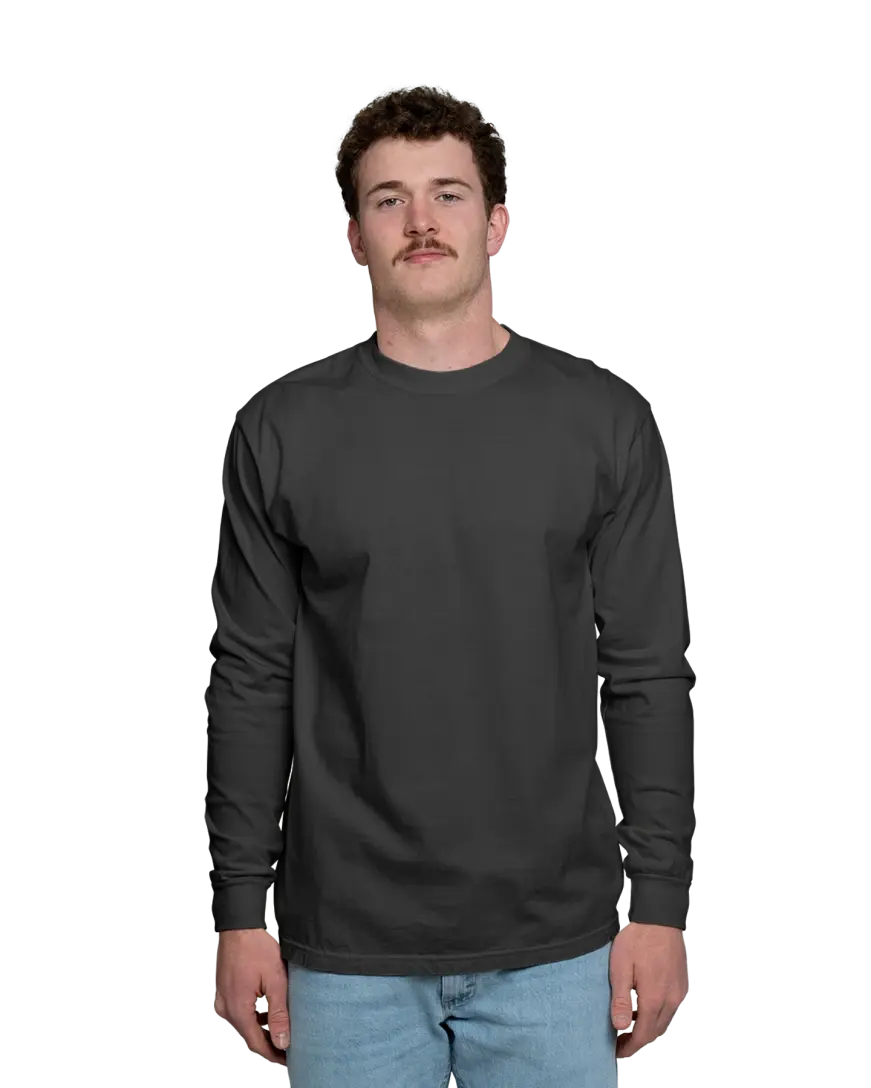
This is one area where Comfort Colors has a clear advantage. The brand offers one of the largest garment-dyed color palettes on the market, with 67 color options ranging from muted earth tones and washed pastels to some bolder options and deeper vintage-inspired colors.
ComfortWash offers a smaller selection at 34 colors, although it still covers many of the most popular garment-dyed shades.
For most group orders, either brand will have a suitable color option. If you’re looking for a very specific vintage shade or want the widest possible selection to choose from, Comfort Colors gives you considerably more flexibility.
Fit and Silhouette
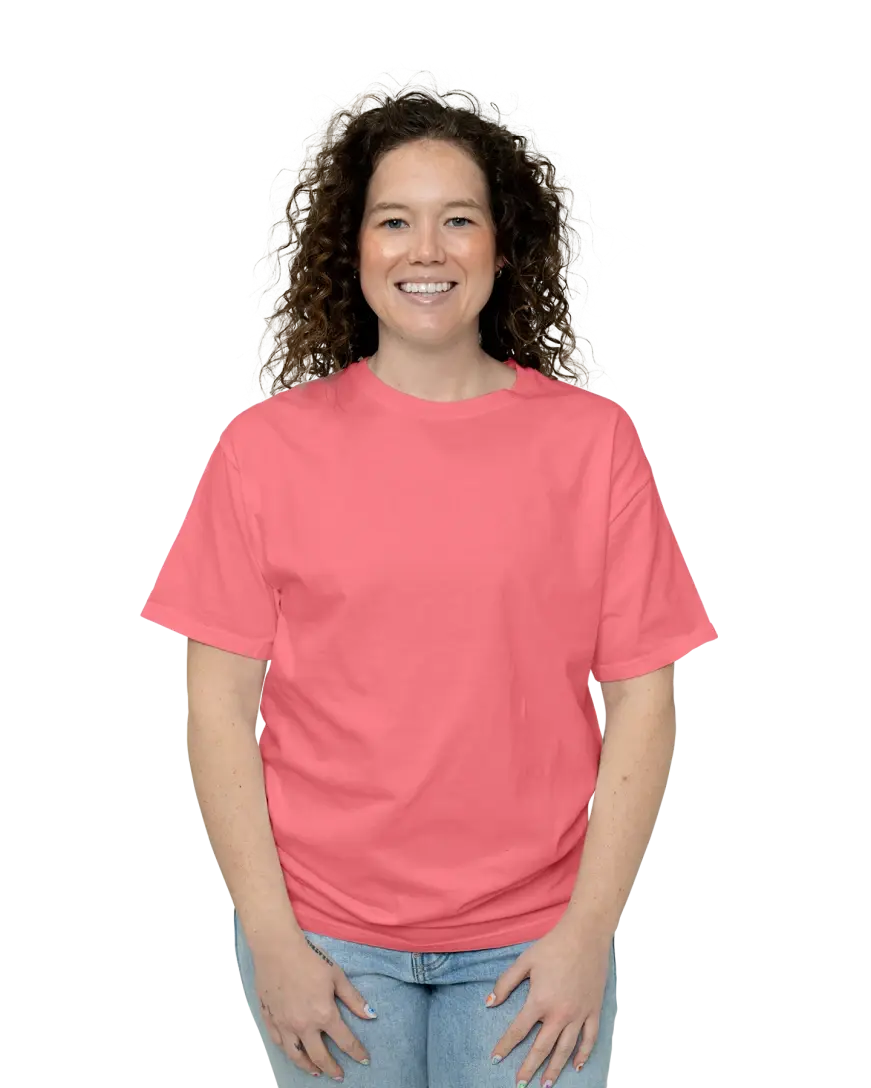
Due to the previously mentioned tubular construction, both shirts have a signature boxy, oversized tee look rather than a fitted silhouette.
However, it’s important to note that a Comfort Colors tee runs slightly smaller than a ComfortWash tee in the same size. It’s also slightly shorter and has shorter sleeves compared to other tees. If you’re going for a baggier look, we recommend that you size up by one when ordering a Comfort Colors tee — especially if there are people in your group who are taller or have broad shoulders.
In contrast, the Hanes ComfortWash tee fits true to size right out of the gate, runs slightly longer, and both the body length and the sleeves extend further than the Comfort Colors style.
Printing and Embroidery Performance
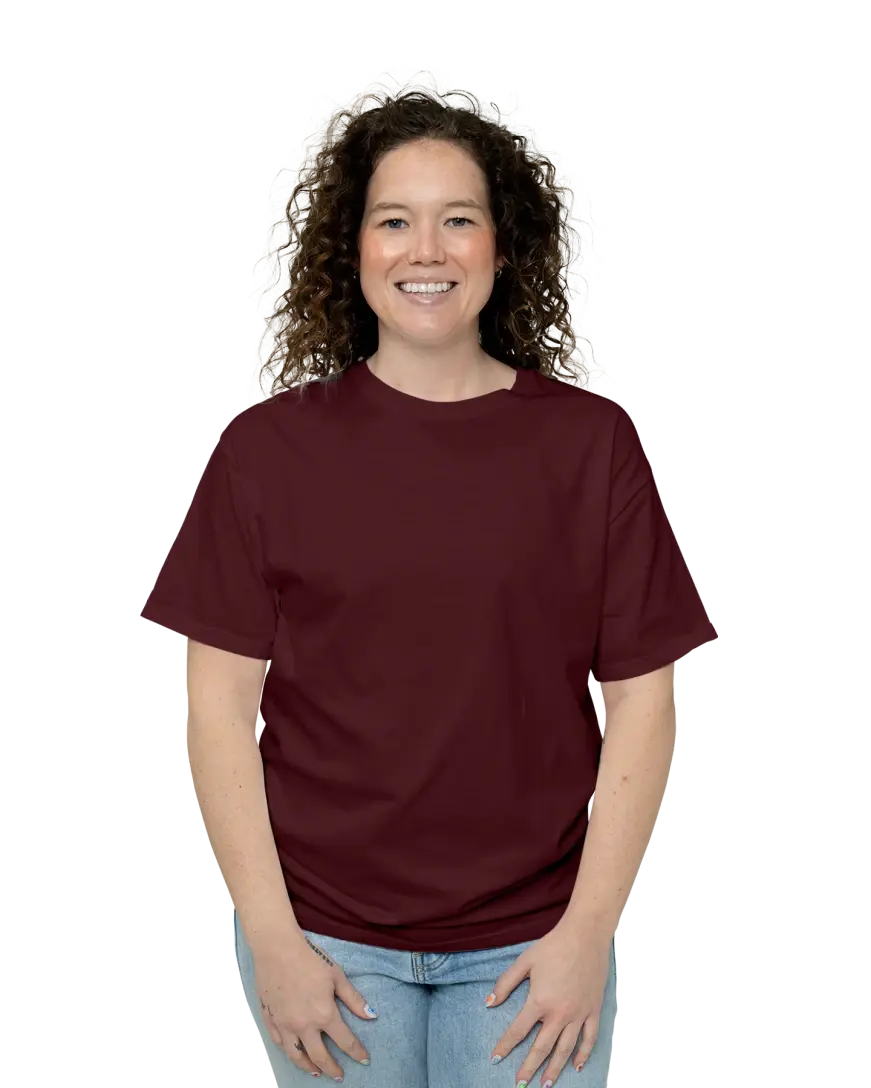
Both shirts print and embroider well, but the weight difference changes the experience slightly on each end.
The denser cotton on the Comfort Colors gives the ink something substantial to sit on, and it handles bold, high-coverage designs without much fabric show-through. The tradeoff is that the more textured surface can soften very fine detail by a small amount (the same way any heavier, more textured knit would behave under a screen).
For embroidery, that same density gives stitches a stable, well-supported base, which helps designs lie flat with less puckering risk.
Hanes’ lighter ComfortWash fabric has a smoother surface, which tends to hold cleaner edges on detailed artwork and small text. It still embroiders well, but because the fabric is lighter, proper stabilizer backing matters more here to keep dense stitching flat and prevent the garment from puckering under the needle.
In practice, most standard logo and text designs look great on either shirt. The difference really only shows up at the extremes: very fine linework on one end, or heavy, dense embroidery on the other. If your design falls into either of those categories, that’s worth a conversation with our design team before you commit to a blank.
Shrinkage
Because the dyeing and finishing happen after the shirt is fully assembled, garment-dyed apparel actually goes through a wash-and-dye cycle long before they reach you, pre-shrinking it at the same time.
As a result, both tees tend to hold up similarly when it comes to shrinkage. Comfort Colors specifically markets their tees as pre-shrunk and soft-washed, with minimal additional shrinkage expected once the garment-dye process is finished. Hanes positions ComfortWash in a similar way, built to hold its fit wash after wash rather than shrinking down over time.
The usual care instructions (cold wash, low heat) still apply, but compared to a standard piece-dyed cotton tee, both of these styles should hold their size fairly well.
Choosing Between Comfort Colors and Hanes ComfortWash
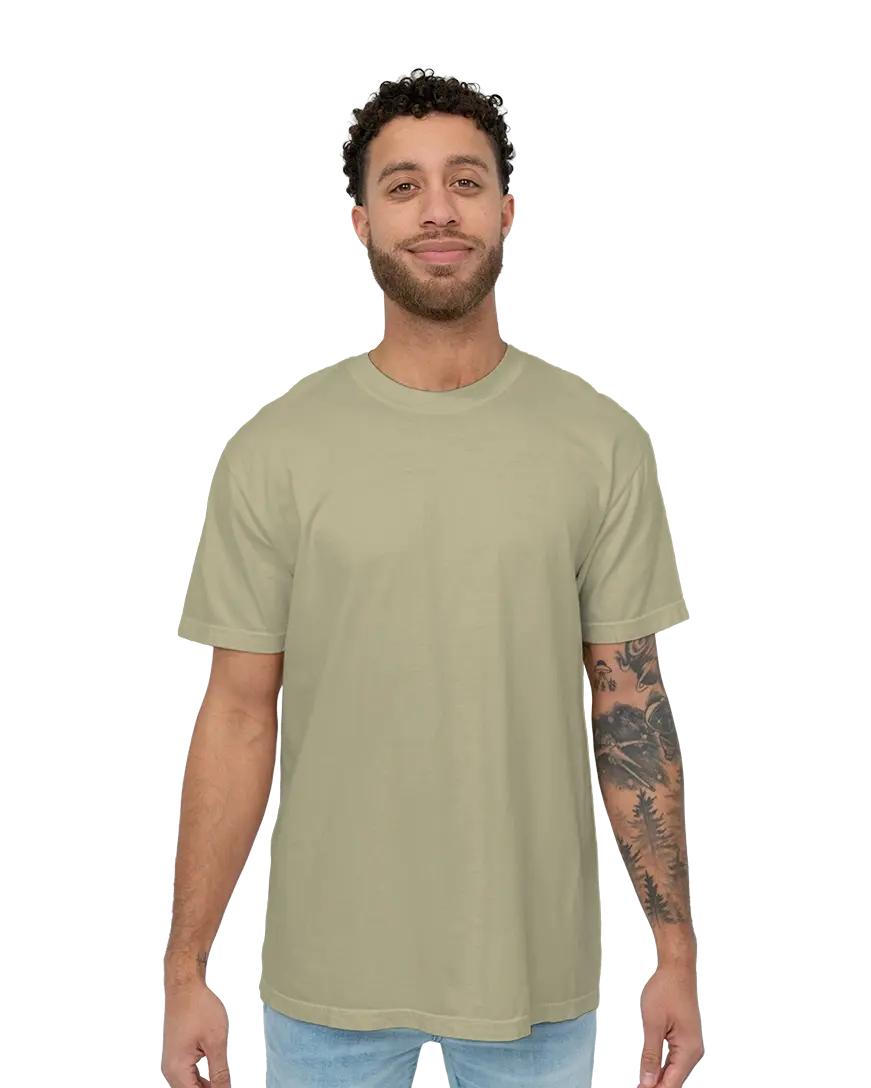
Either shirt makes a solid base for a custom design, so the right call comes down to which fit and texture matches what you’re picturing for your order.
When in doubt, keep these general rules of thumb in mind:
Comfort Colors is probably the better call when:
- You want a more pronounced vintage, lived-in texture
- Your group is comfortable sizing up
- You want the widest possible color selection
- Longevity and durability matter more than a slim fit
Hanes ComfortWash is probably the better call when:
- You want a true-to-size fit
- A smoother, cleaner garment-dyed finish fits your design better than heavy texture
- Your group runs on the taller side
- You’re printing fine detail or small text that benefits from a smoother surface
If you’re still on the fence, look at a mockup on the actual garment color before you commit. The two can look surprisingly different once your design and color choice enter the picture.
Beyond tees, Comfort Colors‘ lineup includes a crewneck sweatshirt and a pullover hoodie, both in an 80/20 cotton-poly blend, plus a tank top and long-sleeve options (including a pocket version) that match the tee’s fit and fabric.
Browse the Comfort Colors lineup
Hanes ComfortWash covers similar ground, with a crewneck and hoodie in a comparable 80/20 blend, a tank top in the same 100% cotton as the tee, and a long-sleeve version, plus a youth tee for matching kids’ sizing to the adult styles.
If your order needs more than one style, like tees for the group and hoodies for staff, staying within one brand keeps the garment-dyed look consistent across the whole order.